The main points
- Summer gives the longest day at 23.1 hours and winter the shortest at 7.7 hours.[1]
- Bergen gets 2,490 mm of precipitation over 198 days a year, and a wet day on the fjord is still worth taking.[2]
- The Original Fjord Cruise to Mostraumen takes 3.5 hours from Bryggen, out through Osterfjord.[3]
- Listings start from US$93 for the Original Mostraumen cruise and from US$80 for one with a live guide.[3][4]
- Free cancellation up to 24 hours in advance and reserve now, pay later on the Original cruise.[3]
- Top choice Original Mostraumen cruise from US$93 Duration3.5 hours[3]Rating4.69 from 9,652 reviews[3]Guide or audioAudio guide in English and Norwegian[3]RouteBryggen, Osterfjord, Mostraumen[3]CancellationFree cancellation up to 24 hours[3] Check availability
- Run by local operators from US$88 Duration3.5 hours[5]Rating4.57 from 4,302 reviews[5]Guide or audioDriver: English[5]RouteBryggen, Nordhordland Bridge, Mostraumen[5]CancellationFree cancellation up to 24 hours[5] See this tour
- Mostraumen with live guide from US$80 Duration3.5 hours[4]Rating4.74 from 2,368 reviews[4]Guide or audioLive tour guide in English[4]RouteBryggen, Sandviken, Osterfjord, Modalen[4]CancellationFree cancellation up to 24 hours[4] See this tour
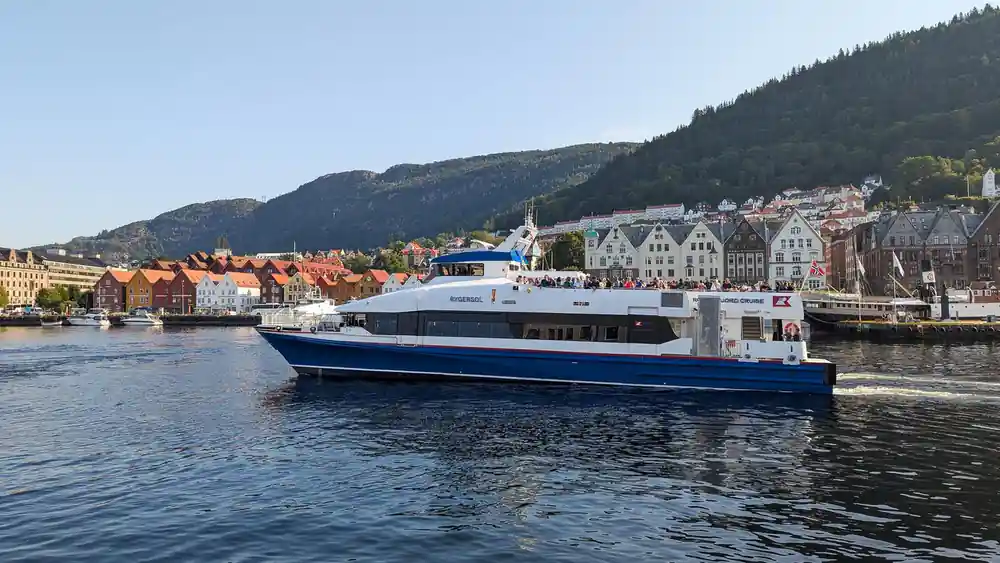
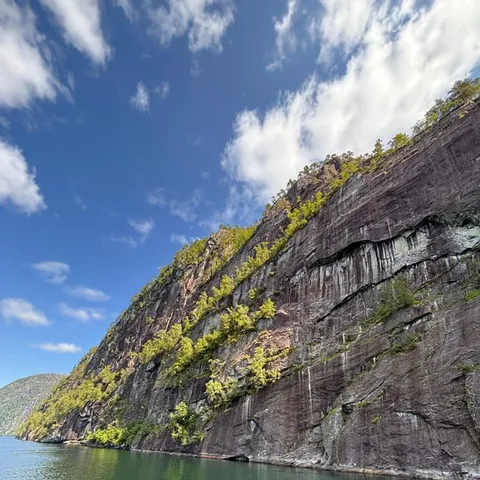
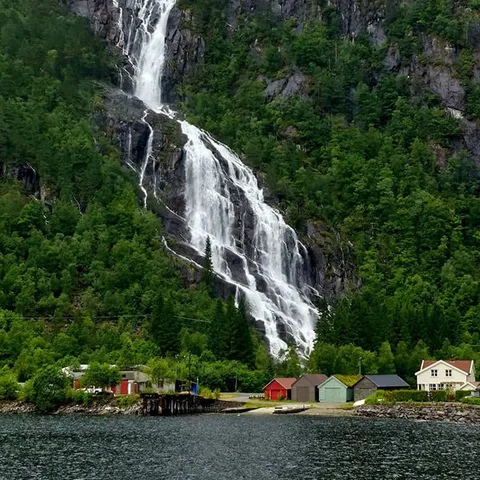
The shortest day of the year in Bergen is 7.7 hours long and occurs on the winter solstice - December 21st. The longest day of the year in Bergen is 23.1 hours long and occurs on the summer solstice - June 21st.
Our verdict: choose the light, not the month
Booking tips
On the day
- Sunglasses for low winter sun and summer glare off the water
- Warm layers, waterproof shell, hat and gloves for the deck
- Give yourself time to reach the Bryggen jetty before departure
- Board early if you want a seat on the open deck
Start with the rain: what the numbers say
Bergen receives 2,490 mm of precipitation per year, spread over 198 days.[2] Those two numbers are the honest starting point for anyone planning a fjord trip here. The city they describe is green, mossy and entirely used to water. Rain usually arrives in bands and showers rather than as a solid wall, and a waterproof jacket with a hood, shoes that can take a wet deck and a spare pair of gloves will do more for your day than any forecast app.
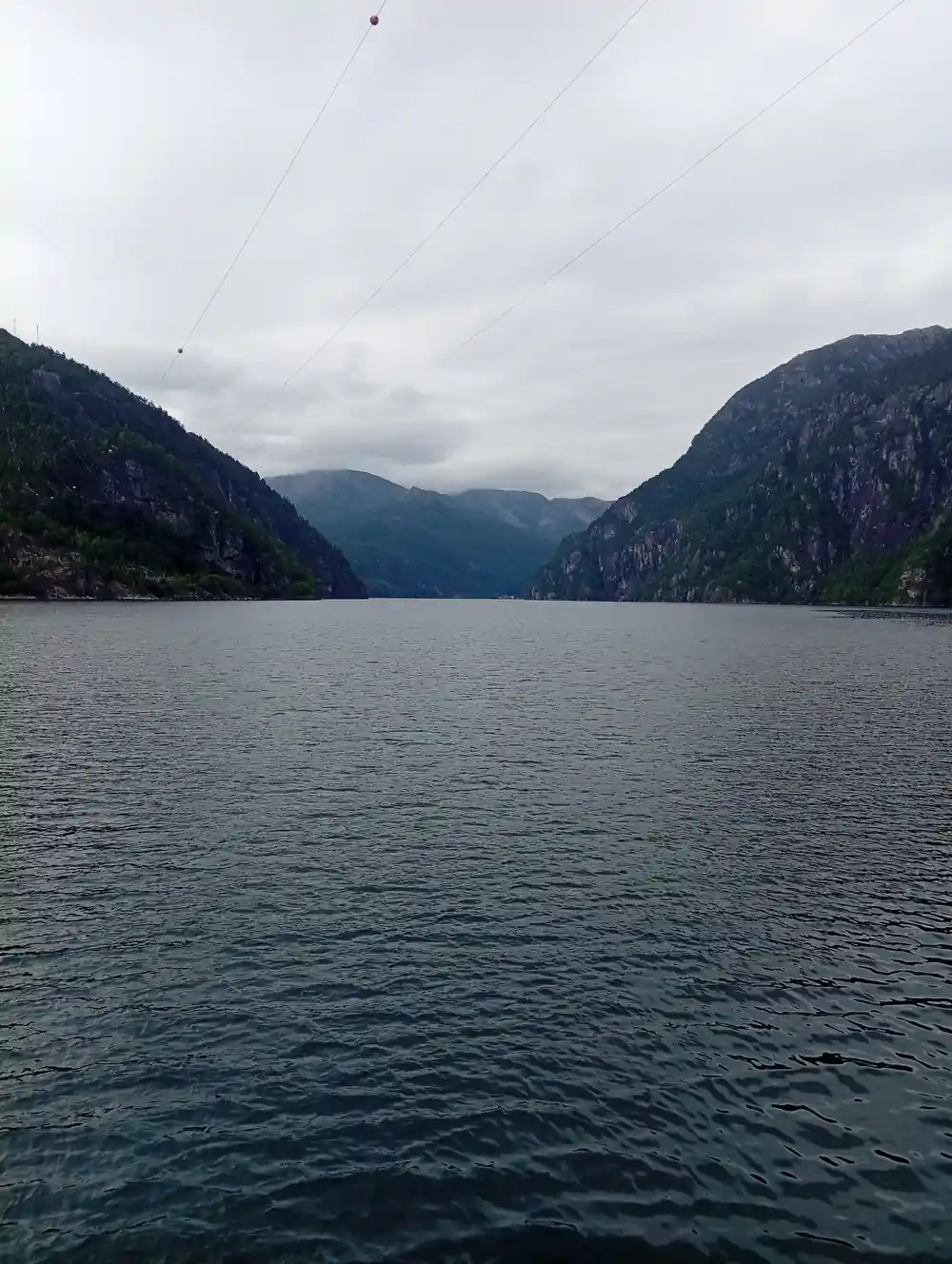
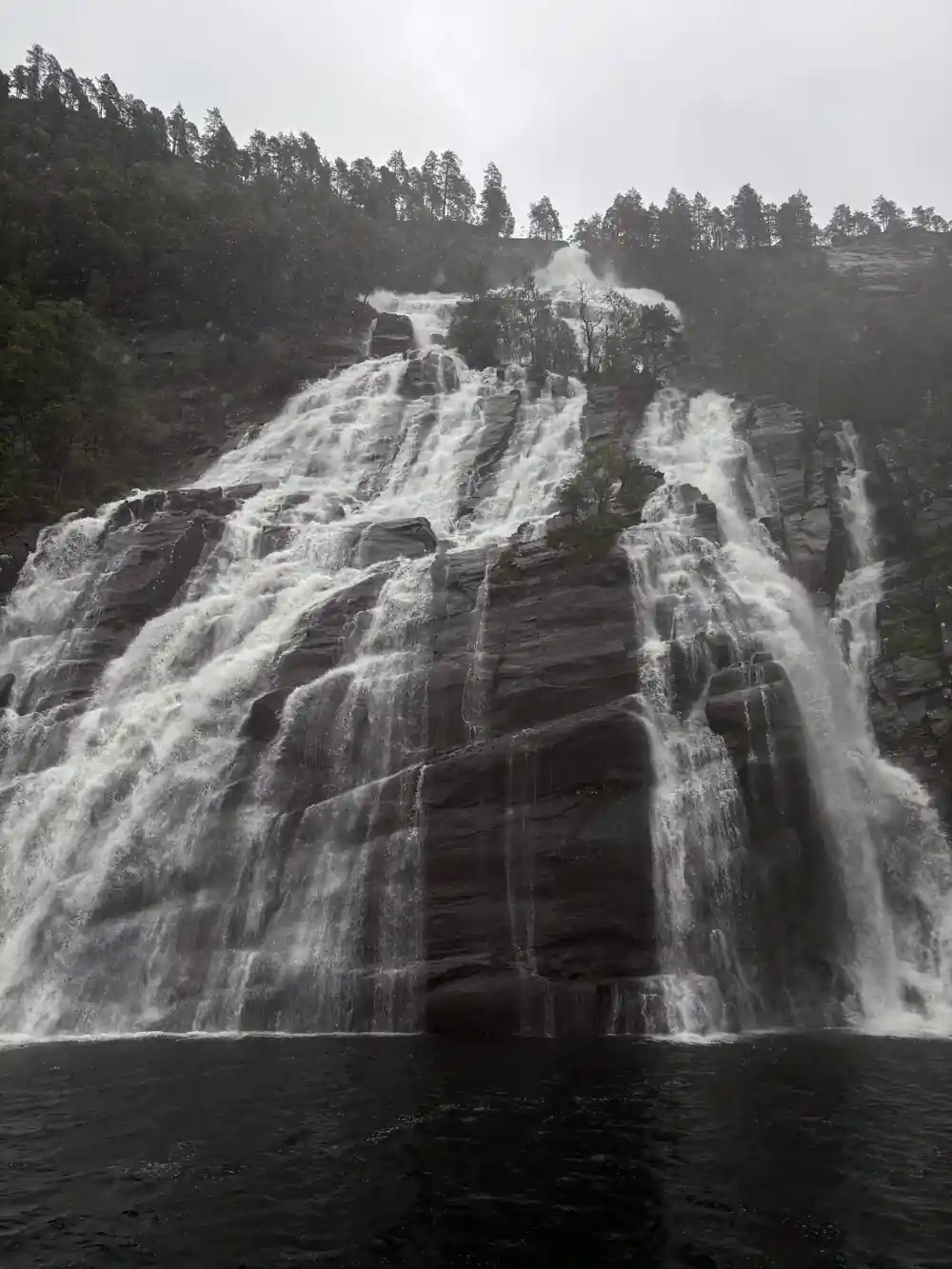
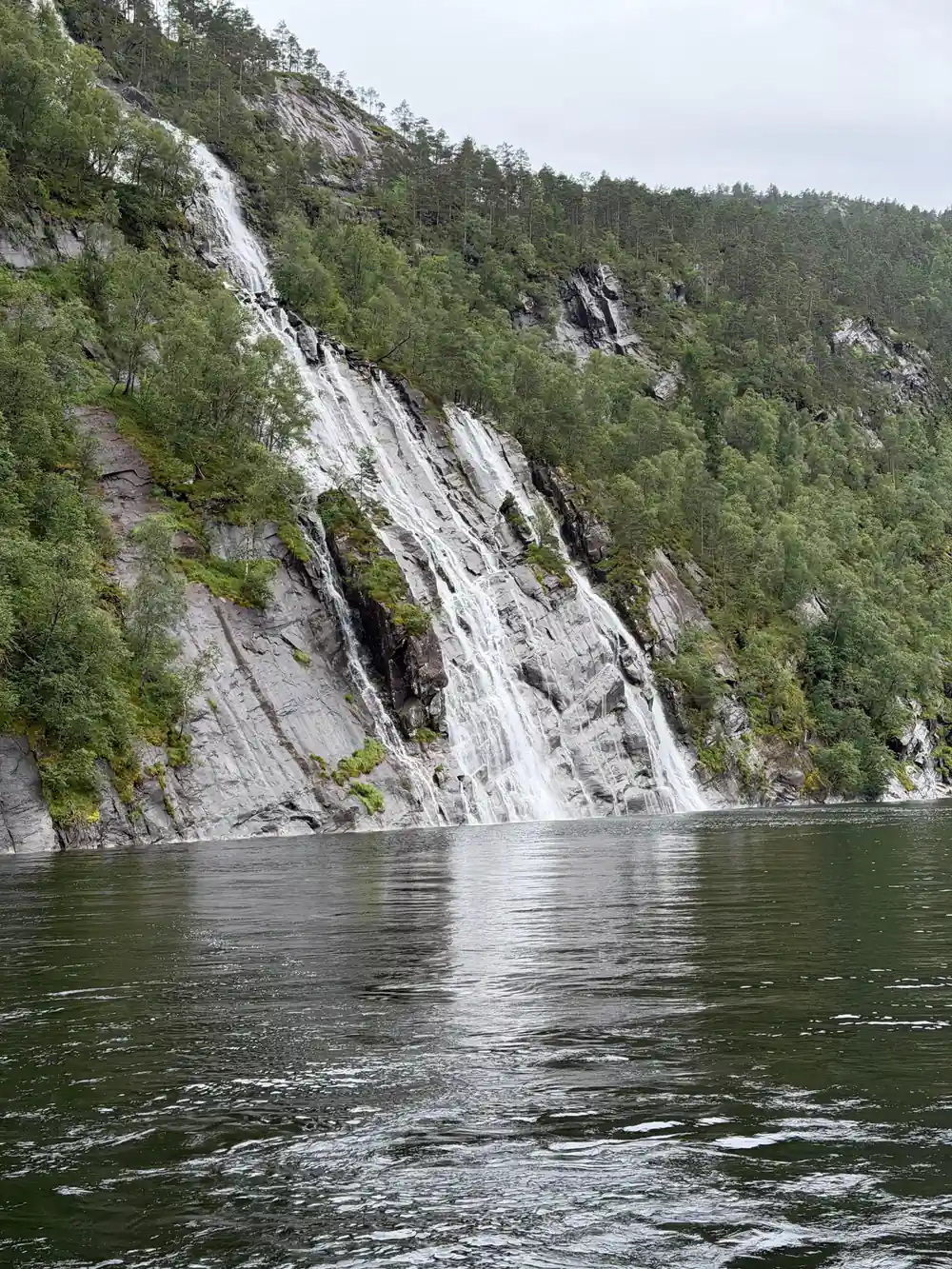
The rain falls on the fjord too, and that is where the practical question sits. A wet day in town means wet streets, umbrellas and museum queues. A wet day on the water means cloud sitting low on the slopes, thin white streams running down the cliffs and a landscape that looks far more dramatic than it does in flat sunshine. Water is what carved this coastline, and it is still carving it while you watch.
Why a wet day on the fjord is not the problem it sounds
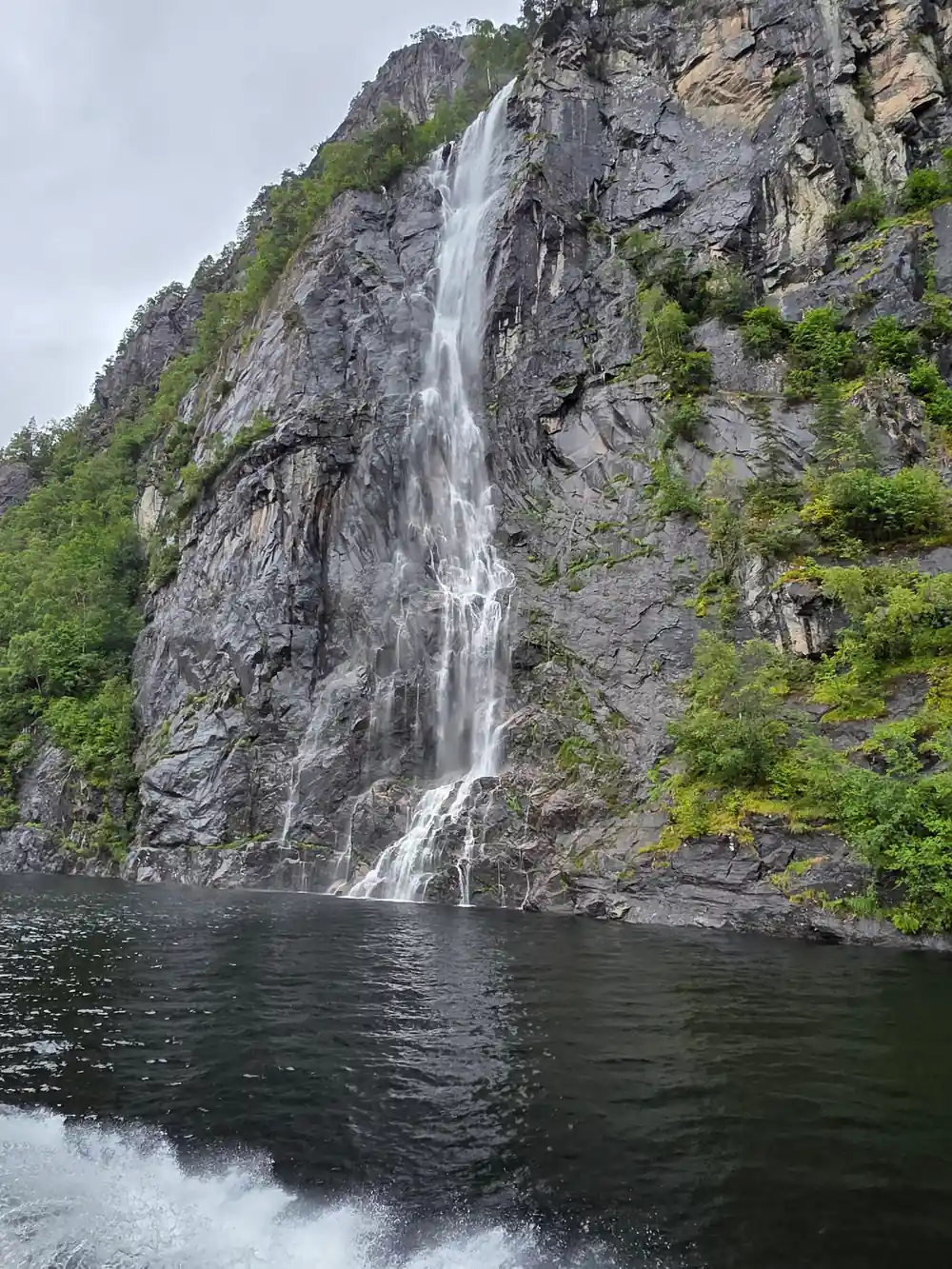
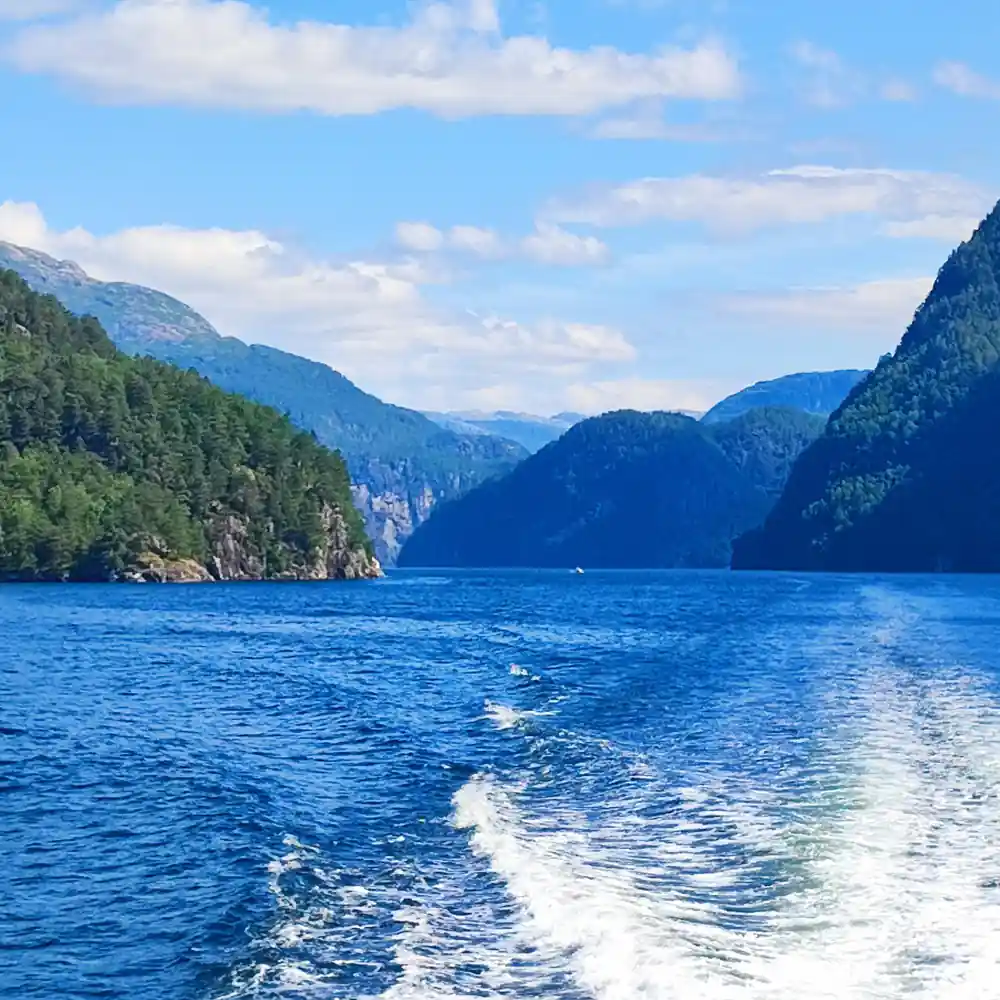
The Original Fjord Cruise to Mostraumen leaves from Bryggen and follows Osterfjord to the Mostraumen strait.[3] That strait is a narrow, shallow tidal channel roughly 600 m long and about 50-60 m wide at its narrowest, with strong tidal currents running through it.[6] The boat noses in close to a waterfall, and on a good day the crew scoop a cup of mountain water straight from it for passengers.[6]
Rain makes that waterfall louder. It also hangs mist on the ridges, doubles the number of thin white lines on the rock and gives the surface of the fjord a heavier, oiled look. High ground on both sides shelters much of the run, so the crossing is often calmer than the open coast on the same day. Inside, there is a warm saloon and an audio guide in English and Norwegian.[3]
What decides whether you enjoy the day is not rain, it is wind and visibility. Wind you cannot argue with. Visibility is where grey days earn their keep: flat light holds detail in the cliffs instead of blowing them out to white. Tides in Bergen are moderate, with a mean range of about 91 cm and a spring range of about 123 cm[7], and a 5-knot speed limit is commonly set within 150 meters of shore in Norway, including in narrow straits and harbour approaches.[8] The water level and the engine note are rarely what changes your day.
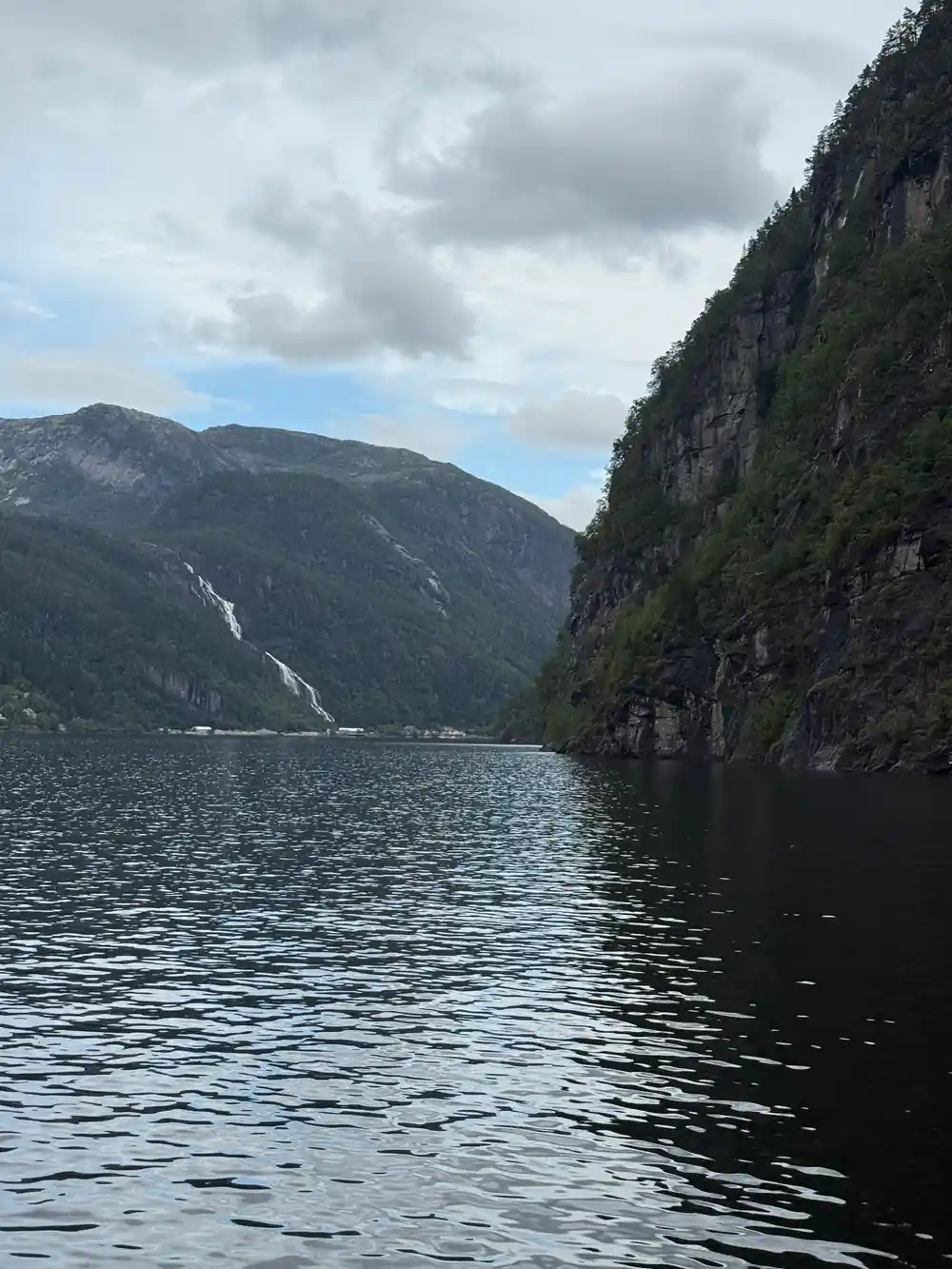
Low winter sun on the cliffs above Osterfjord
What actually changes through the year: the light
Bergen sits far enough north that the length of the day swings enormously. The shortest day of the year is 7.7 hours long and falls on the winter solstice, December 21st, while the longest is 23.1 hours long and falls on the summer solstice, June 21st.[1] For a fjord cruise, that swing matters far more than a few degrees of temperature. It decides whether you sail through a blue afternoon or a golden evening that never quite ends.
Daily mean air temperatures in Bergen range from 1.4°C to 14.5°C across the year, with an annual mean of 7.3°C.[9] The fjord water lags behind the air, so on deck it is usually wind and rain that make you cold rather than the air temperature itself. On a still day in almost any month, a decent jacket keeps you outside for the whole sailing.
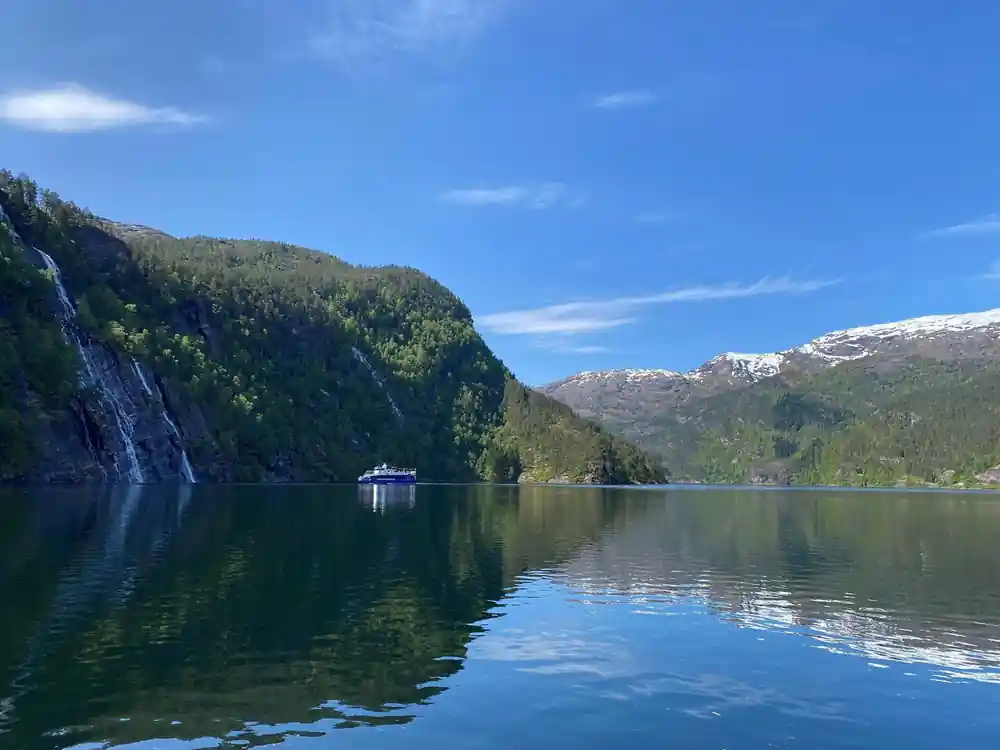
In practice you are choosing between two very different outings. A winter sailing happens in low, blue-grey light that lasts a few hours, with the sun skimming the ridge and the water going almost black under the cliffs. A summer evening comes back to a harbour that is still bright, with people eating outside on the quay and the mountains still lit.
Summer, June to August
Summer is the easy choice. Long days let you stay on deck for the whole sailing, the waterfalls are running, and the town is in a holiday mood. It is also the busiest stretch of the year, and the numbers are startling: Bergen had 631,000 cruise passengers in 2024.[10]
Bryggen, the timber wharf the boat leaves from, was inscribed on the World Heritage List in 1979.[11] It is the backdrop to almost every photograph taken from the water, and the old warehouses look their best with a few hours of evening sun on them. On a clear day, the Fløibanen funicular reaches a summit 320 m above sea level in six minutes, which makes an easy add-on to a morning on the water.[12]
For a quieter quayside, aim for the first sailing of the morning or one of the later evening departures, and book a day or two ahead rather than hoping to walk up on the day. A half day fjord cruise in Bergen fits easily around everything else you have planned, whether that is the fish market or a walk through the narrow lanes behind the wharf.
from US$93
The Original Fjord Cruise to Mostraumen takes 3.5 hours and starts from Bryggen, with audio guide in English and Norwegian.[3]
Winter, November to February
Think of the winter version of a Bergen fjord tour as the same route in different light. The days are short: the shortest is 7.7 hours long on the winter solstice, December 21st.[1] With the sun near the horizon, the light comes in almost sideways and the fjord holds it through the middle of the day. The narrow strait feels enclosed and shadowed, and the water under the cliffs takes on a deeper colour.
What you get in exchange is drama and quiet. Mist hangs halfway down the cliffs, the water goes dark under the rock walls, and the boat is a warm, bright place to stand while it happens. Norway holds the largest breeding population of white-tailed sea eagles in Europe, with 2,500 breeding pairs[13], and its waters carry an estimated 82,600 harbour porpoise in the southern component and about 11,000 in the northern component.[14]
Dress properly and the cold is manageable. Layers, a windproof and waterproof outer shell, a hat, gloves and a scarf will keep you outside long enough to enjoy the best of the light. The saloon is warm and the audio guide comes in English and Norwegian.[3] Moving between deck and cabin as the weather changes is simply part of a winter sailing.
Spring, March to May, and autumn
Spring is waterfall season. Snowmelt feeds every stream on the slopes, the birch comes into leaf late, and there is still bare rock behind the spray to give the water its scale. If you want to combine a cruise with time up on the mountain above the city, book a sailing and keep the rest of the day loose around it.
Autumn is the other shoulder. The crowds thin after August, the light turns gold and low, and the waterfalls still carry water from the autumn rain. Bergen's rain is spread across the whole year, 2,490 mm over 198 days.[2] A wet day is possible in any month you choose. What you get in return is a softer, quieter fjord and a town that feels like itself again.
Shoulder season rewards flexibility. With free cancellation up to 24 hours in advance on the Original cruise[3], you can watch the weather and move your sailing to the better day instead of committing weeks ahead. That is a good reason to travel in spring or autumn, when you can plan around the weather rather than around a fixed date.
So which season should you book?
Start from the light you want. Summer gives long days and easy deck time, winter gives low sun and an emptier fjord, and spring and autumn sit in between, with the biggest waterfalls in spring and the best colour in autumn. If you were hoping for a Bergen 3 hour fjord cruise, the scheduled Mostraumen run is listed at 3.5 hours.[3]
The route is the same all year and the choice is really about the day you want. Prices run from US$93 for the Original Mostraumen cruise[3], from US$80 for a Mostraumen cruise with a live guide[4], and from US$421 for a full day out to Nærøyfjord and the Flåm Railway.[15]
Book the sailing that matches your day rather than an abstract best month. If the daylight is short, take the earliest departure you can and keep the afternoon free. If the forecast is wet, take it anyway and enjoy the waterfalls at full volume. Free cancellation up to 24 hours in advance makes all of this much easier.[3]
How long a Bergen fjord day runs
Durations in hours as listed for these Bergen tours:[3][15][16][17][18]
From-prices for fjord trips out of Bergen
From-prices in US dollars as listed for these Bergen tours:[3][4][5][16][17]
When to book and when to sail
Plan around the light
Pick your season
Summer for long days, winter for low sun and quiet water, spring for waterfalls.
Pick your time of day
Winter sailings need the daylight hours; summer gives you evening light as well.
Check the rain
Bergen gets 2,490 mm of rain over 198 days a year. Pack a waterproof layer.[2]
Book flexibly
Free cancellation up to 24 hours in advance lets you move your sailing with the weather.[3]
Dress for the deck
Layers, a windproof shell, a hat and gloves will keep you outside for the views.
Pick the light you want, then pick your sailing
from US$94Reserve now & pay later