The main points
- Nobody checks your clothing at the gangway. A warm base layer, a fleece and a waterproof shell with a hood cover almost every day on the Osterfjord.
- Bergen receives 2,490 mm of precipitation per year, spread over 198 days.[1] A waterproof shell is worth its space in the bag.
- Bergen daily mean air temperatures run from 1.4°C to 14.5°C.[2] On deck, with wind and open water, you will want one more layer than you would in the street.
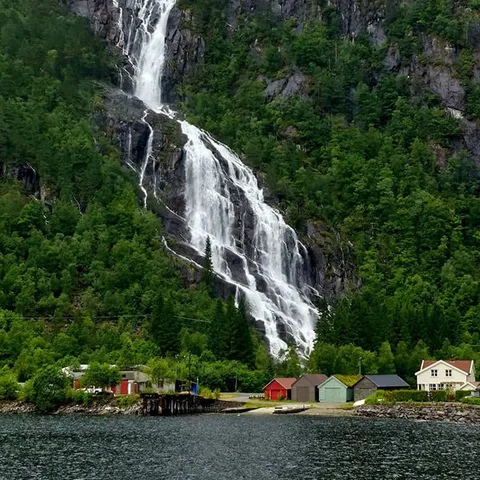
- The boat noses up to a waterfall and threads a channel about 50-60 m wide at its narrowest.[3] Keep the camera out of the bag and in a waterproof pocket.
- Wind on an open deck makes an umbrella more trouble than shelter. Shoes with grip, thin gloves and a hat do far more for a comfortable trip.
- Top choice Original Mostraumen cruise from US$93 Duration3.5 hours[4]Rating4.69 from 9,652 reviews[4]RouteBryggen, Osterfjord, Mostraumen[4]CommentaryAudio guide: English, Norwegian[4]CancellationCancel up to 24 hours in advance[4] Check availability
- Operated by locals from US$88 Duration3.5 hours[5]Rating4.57 from 4,302 reviews[5]RouteAdds Nordhordland Bridge[5]CommentaryDriver: English[5]CancellationCancel up to 24 hours in advance[5] See this tour
- Cruise with live guide from US$80 Duration3.5 hours[6]Rating4.74 from 2,368 reviews[6]RouteAdds Sandviken and Modalen[6]CommentaryLive guide: English[6]CancellationCancel up to 24 hours in advance[6] See this tour
However, since they received protected status, the population has grown and Norway is now home to the largest breeding population of white-tailed sea eagles in Europe, with 2,500 breeding pairs.
Pack light, dress for wind and rain
What to wear
- A warm mid layer, fleece or wool
- Waterproof shell with a hood
- Shoes with grip for a wet deck
- Sunglasses and a hat for bright days on the water
Day-bag checklist
- Your booking on your phone
- A little time in hand at the pier before departure
- Compact binoculars for wildlife along the cliffs
- A card for coffee or a snack in town
No dress code, just sensible layers
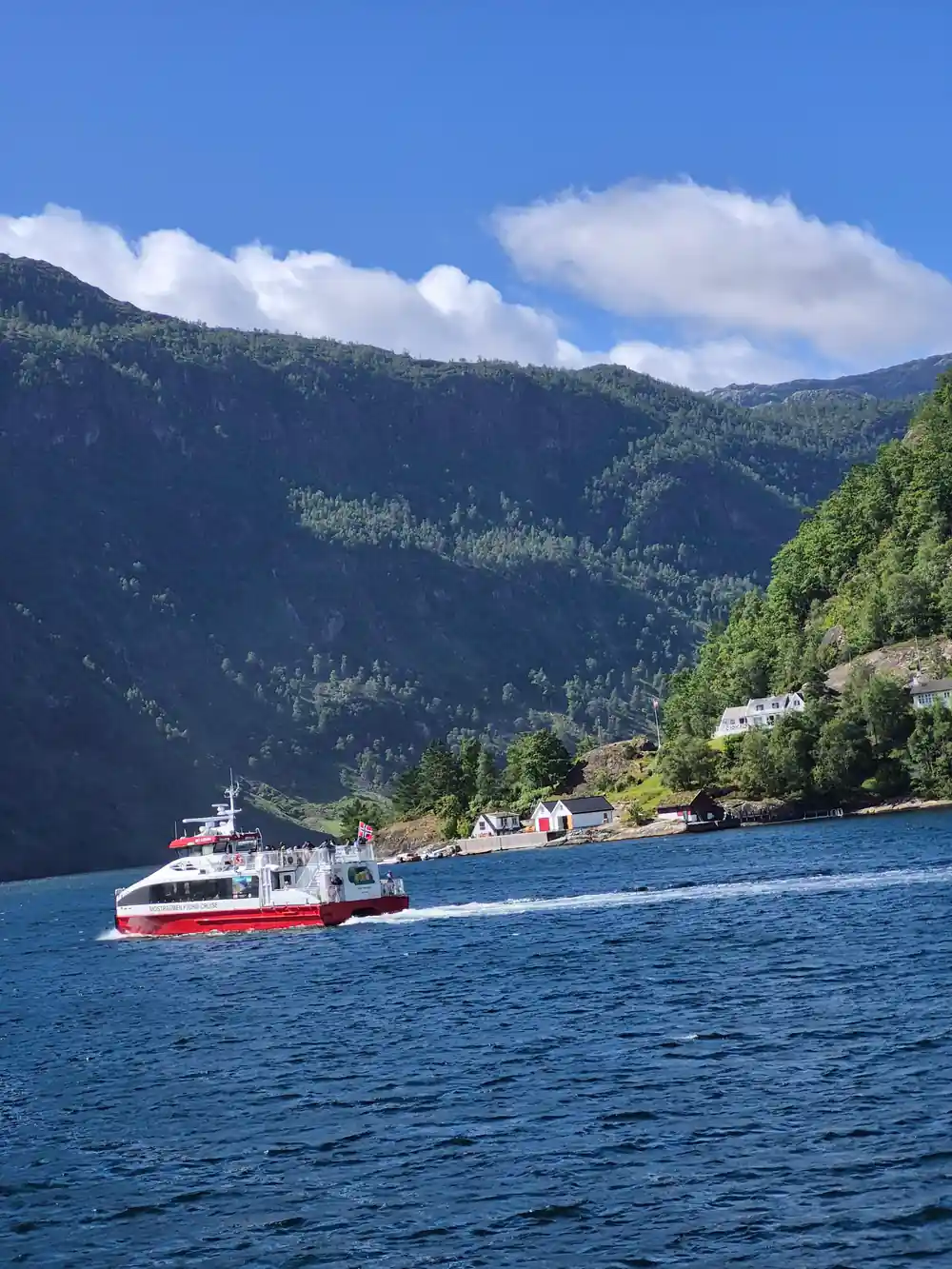
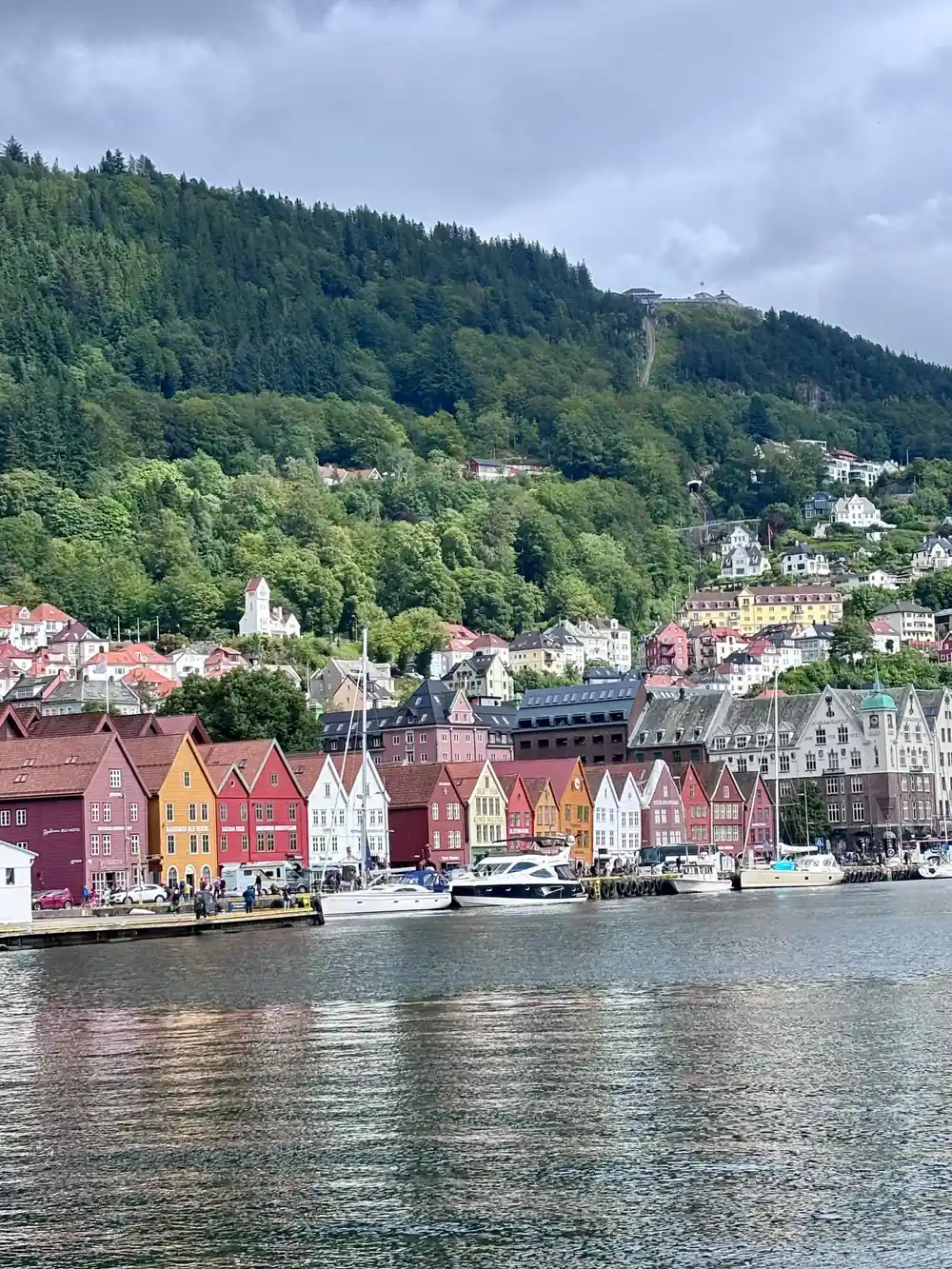
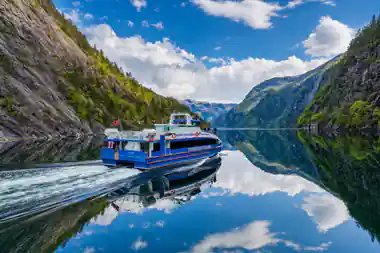
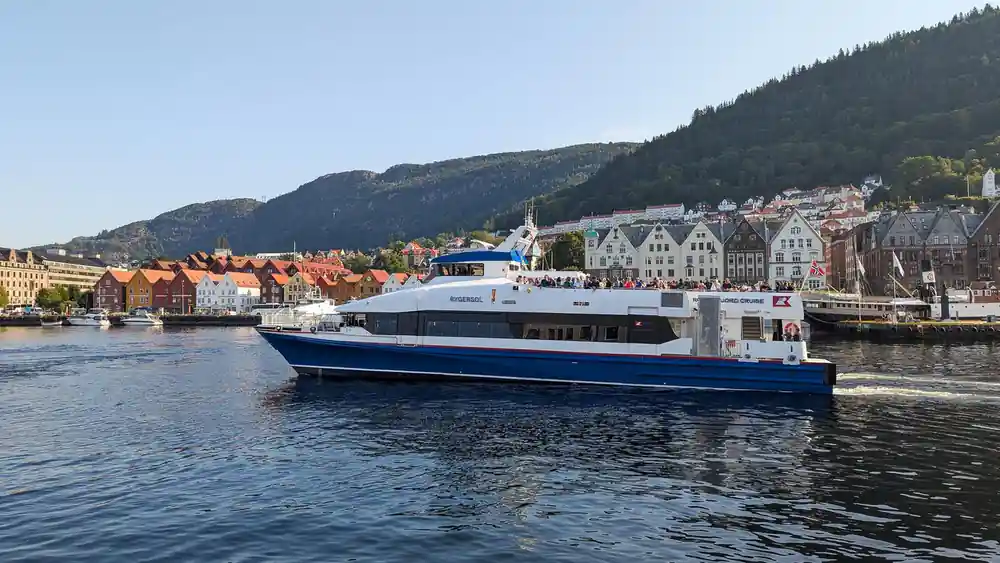
The most useful thing to know about this trip is that nobody inspects your clothing. You board a comfortable passenger vessel at Bryggen, the wharf inscribed on the World Heritage List in 1979, for a 3.5-hour cruise out through the Osterfjord to Mostraumen.[4][7] There is indoor seating as well as open deck, and an audio guide in English and Norwegian is included.[4] What you wear is your own business, and the only real test is whether you are warm and dry enough to stay outside when something worth seeing appears.
That matters more than it sounds. The good moments arrive without warning: a waterfall coming up on the bow, a bird working along a cliff, a sudden gap in the cloud. If you have to go below to fetch a jacket, you will miss them. Dress so that you can stay on deck for the whole run if you want to, and treat the warm saloon as a bonus rather than a refuge.
If you are unsure, wear more than you think you need and carry less than you think you need. It is far easier to unzip a jacket or tie a fleece around your waist on deck than to wish you had brought one from Bergen city centre.
The waterproof layer
Bergen receives 2,490 mm of precipitation per year, spread over 198 days.[1] Rain here is normal rather than exceptional, and the single most valuable thing in your bag is a waterproof shell with a hood. It does not need to be expensive or technical. It needs to keep water out for a few hours and pack down small enough that you forget you are carrying it.
A shell over a warm mid layer is more flexible than one heavy coat, because you can shed or add the inner layer as the wind drops or picks up. If you carry a day bag, line it with a dry bag or a simple plastic bag. Spray from the bow and rain driven sideways along the deck both find their way into things you would rather keep dry, phones and cameras especially.
A small roll-top dry bag is worth the space. It weighs less than a paperback and gives you somewhere to put a phone, a wallet and a passport when water starts coming over the bow. Even a large zip bag will do the same job.
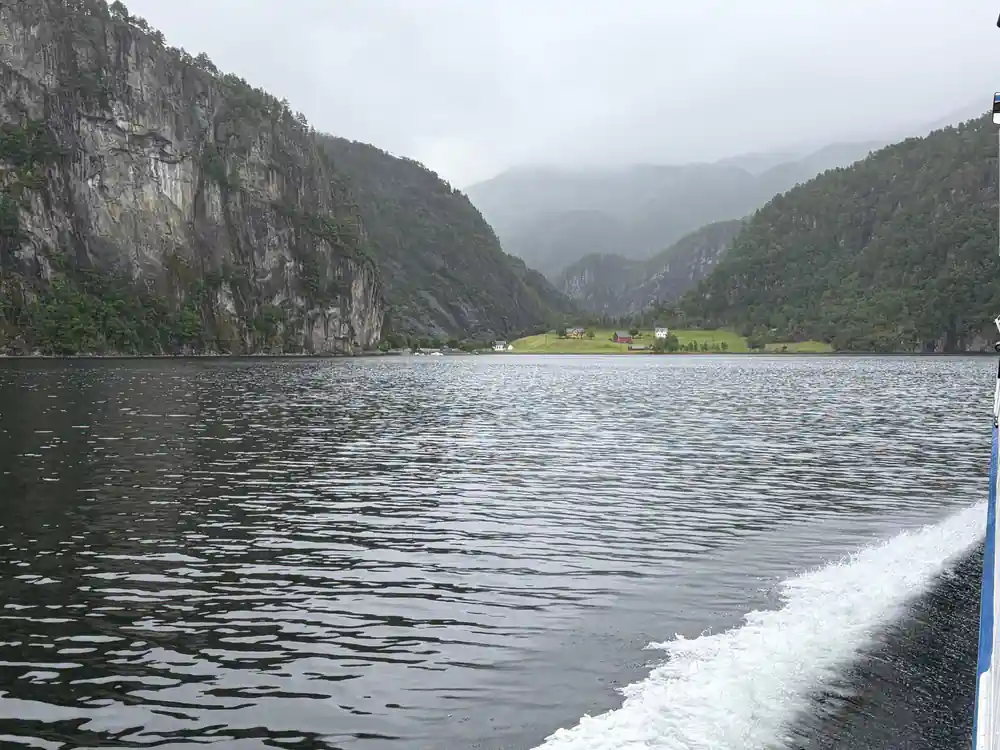
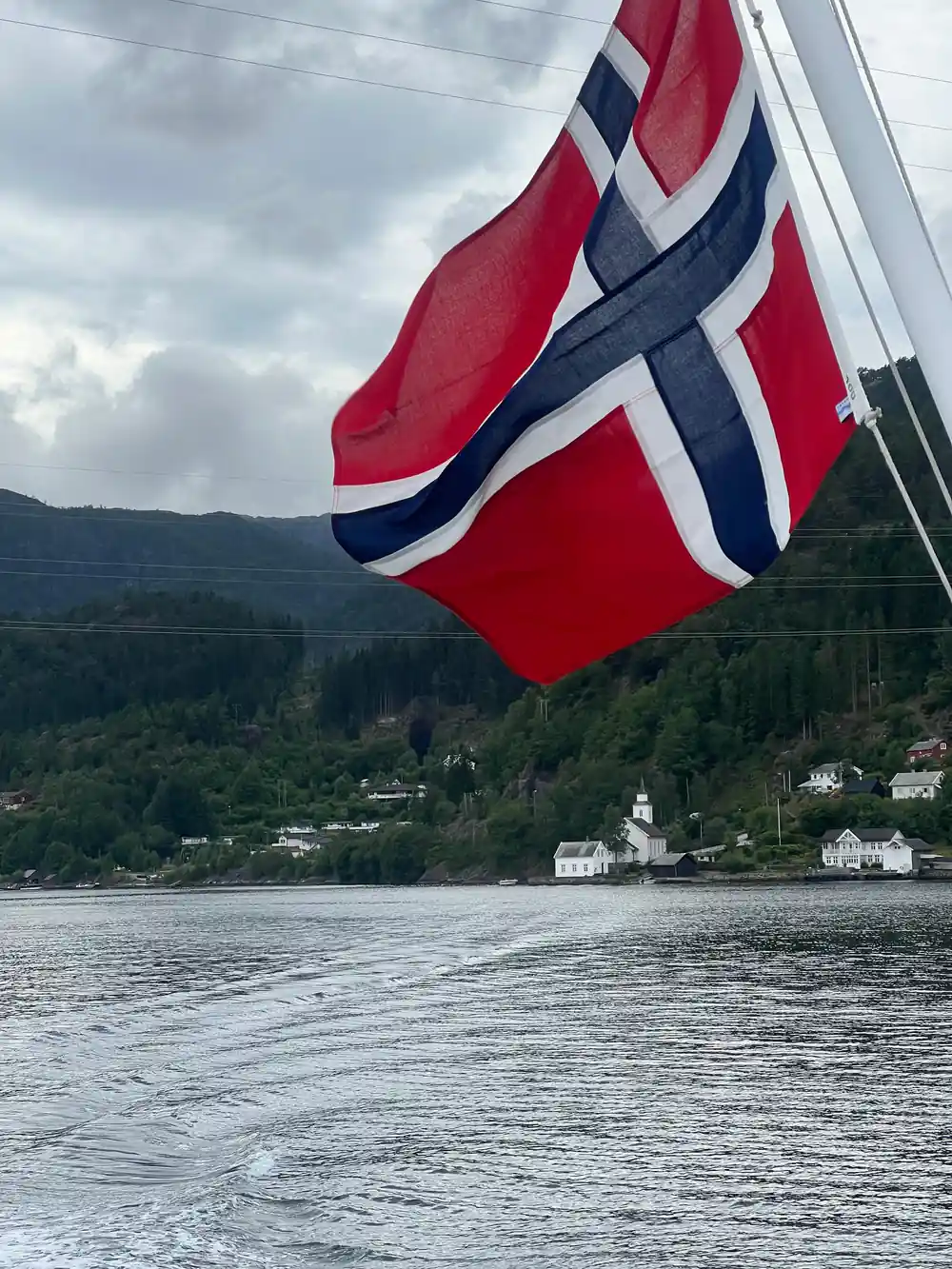
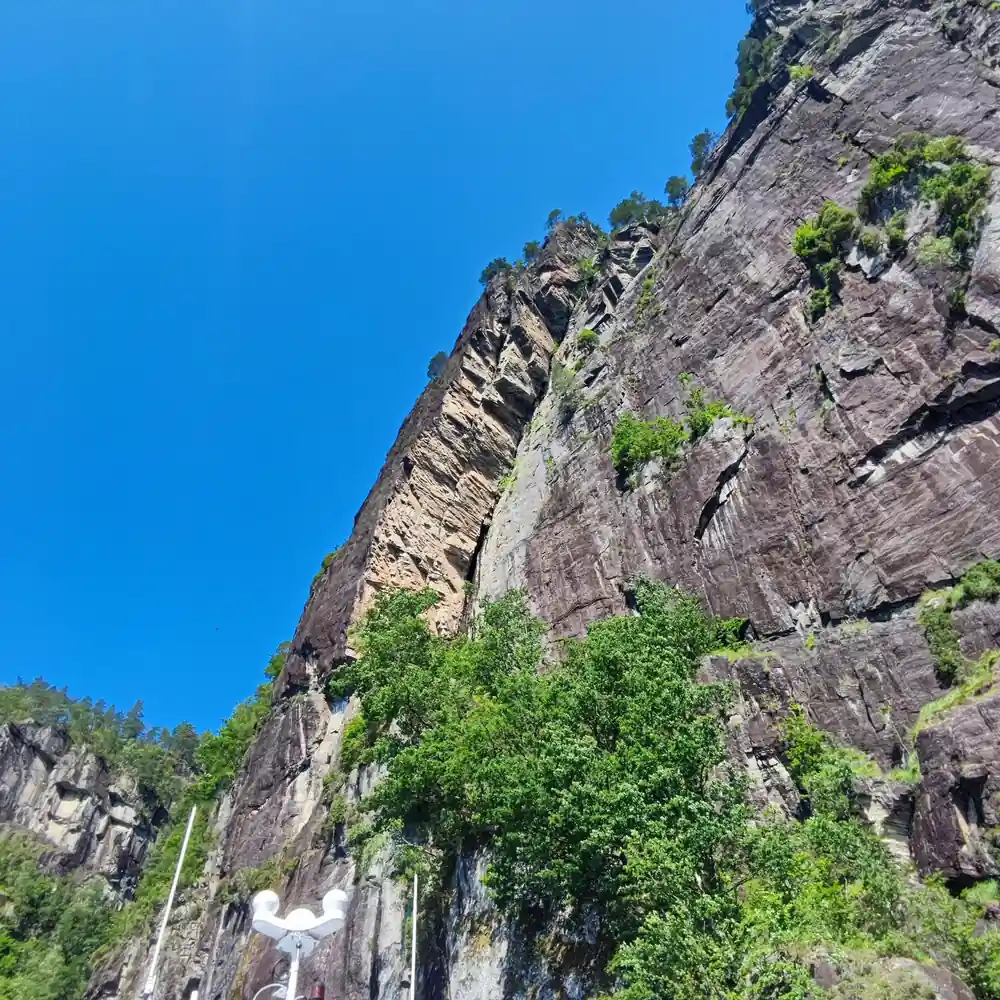
Deck rail, spray and a grey cliff face. Dress for the weather you get, not the one you hoped for.
Warmth, and why the fjord feels cooler
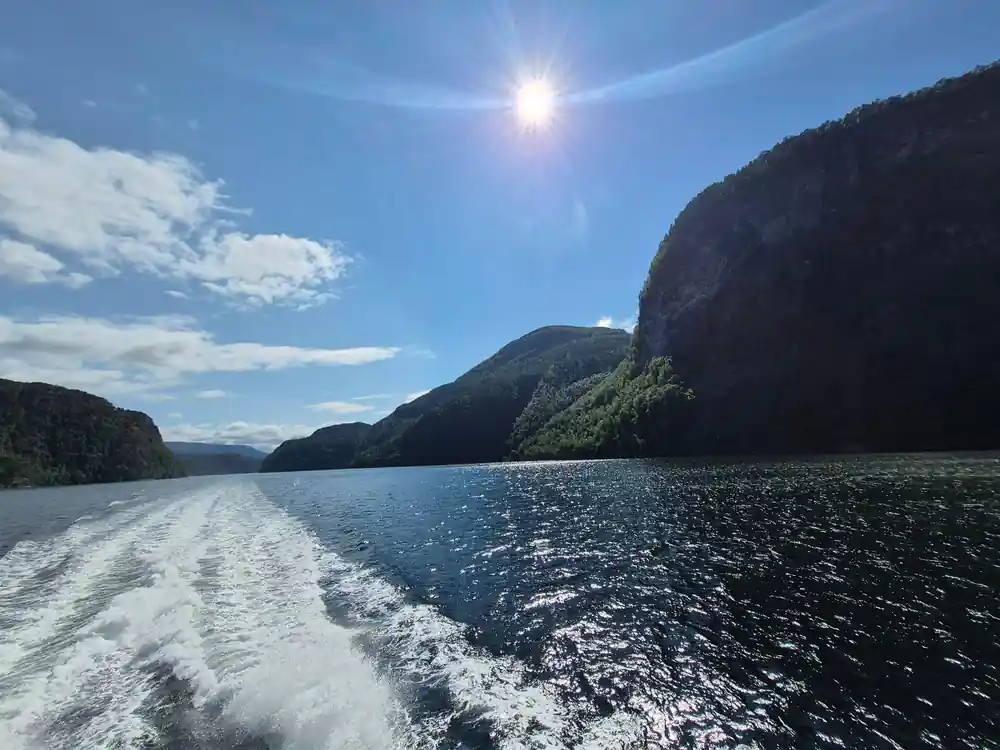
Bergen's daily mean air temperatures range from 1.4°C to 14.5°C, with an annual mean of 7.3°C.[2] Those are city figures, and the fjord has its own ideas. Open water, a moving boat and a long run of wind make the deck feel cooler than the streets you left, even on a mild afternoon. A fleece, a wool jumper or a light down jacket under the shell is the difference between staying out at the rail and watching the cliffs through the glass.
Hands and head lose heat quickly when you are standing still at a rail watching the cliffs. Thin gloves, a hat and something around your neck weigh almost nothing, and they are the items people forget. The route also noses up to a waterfall close enough that the crew sometimes scoop a cup of mountain water for passengers, which is exactly when a hood and a waterproof layer earn their place.[3]
Footwear for a boat deck
Flat shoes or trainers with a grippy sole are the right answer. Decks get wet, and a wet deck on a moving boat is no place for smooth leather, wedges or heels. You do not need walking boots unless you have a hike planned for the same day. What you want is tread you trust and a pair of shoes you are happy to stand in for a few hours.
Water levels around Bergen shift through the day: the mean tidal range is about 91 cm and the spring tidal range is about 123 cm.[8] That mostly matters at the pier, where you may cross a ramp or a floating pontoon that rises and falls with the water. Take your time stepping aboard, keep one hand free and use the rail. Wet soles and a sloping ramp are a poor combination anywhere in the world.
In winter, add a pair of warm socks and consider shoes with a little room for them. Cold feet end an afternoon on deck faster than almost anything else, and the fix is cheap. A folded spare pair of socks in your bag is a small comfort worth having.
from US$93
The original Mostraumen fjord cruise leaves from Bryggen, with an audio guide in English and Norwegian, out through the Osterfjord to Mostraumen.
For the camera
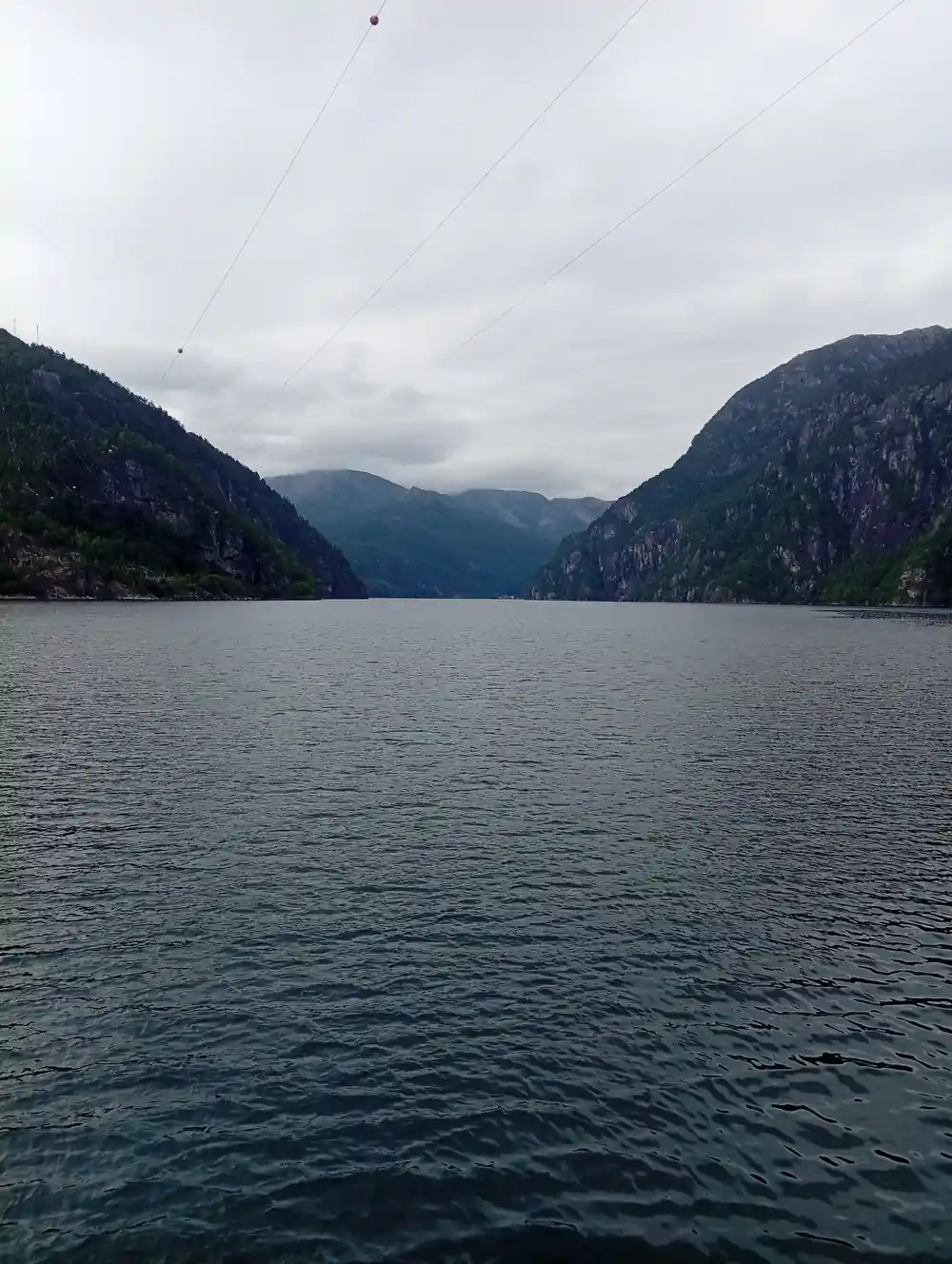
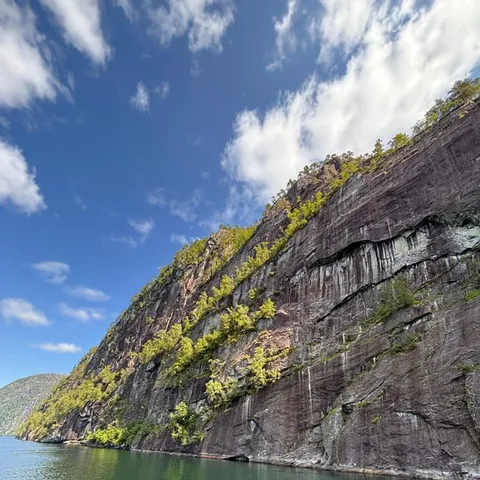
The scenery is the reason people book this run, and the sharpest part of it is the Mostraumen strait, a narrow, shallow tidal channel roughly 600 m long and about 50-60 m wide at its narrowest, with strong tidal currents running through it.[3] Norwegian municipalities commonly set 5 knots as the speed limit within 150 metres of shore, including in narrow straits and harbour approaches.[9] The channel does not last long and the boat keeps moving. Photographs here come from being ready rather than from owning the best equipment.
A phone kept in a waterproof pocket will do more than you expect. If you bring a proper camera, keep a microfibre cloth within reach for spray, carry a spare battery somewhere warm, and use the strap whenever you are at the rail. Wide shots of the whole fjord are pleasant, but the pictures people remember are usually close ones: dark rock, a timber wall, a waterfall landing in the water.
One habit helps more than any accessory: shoot quickly, then put the camera away. Spray arrives without warning on the open stretches, and a lens covered in salt water will spoil the next hour of photographs. A cloth in one pocket and a dry bag in the other is the whole kit.
Binoculars and optics
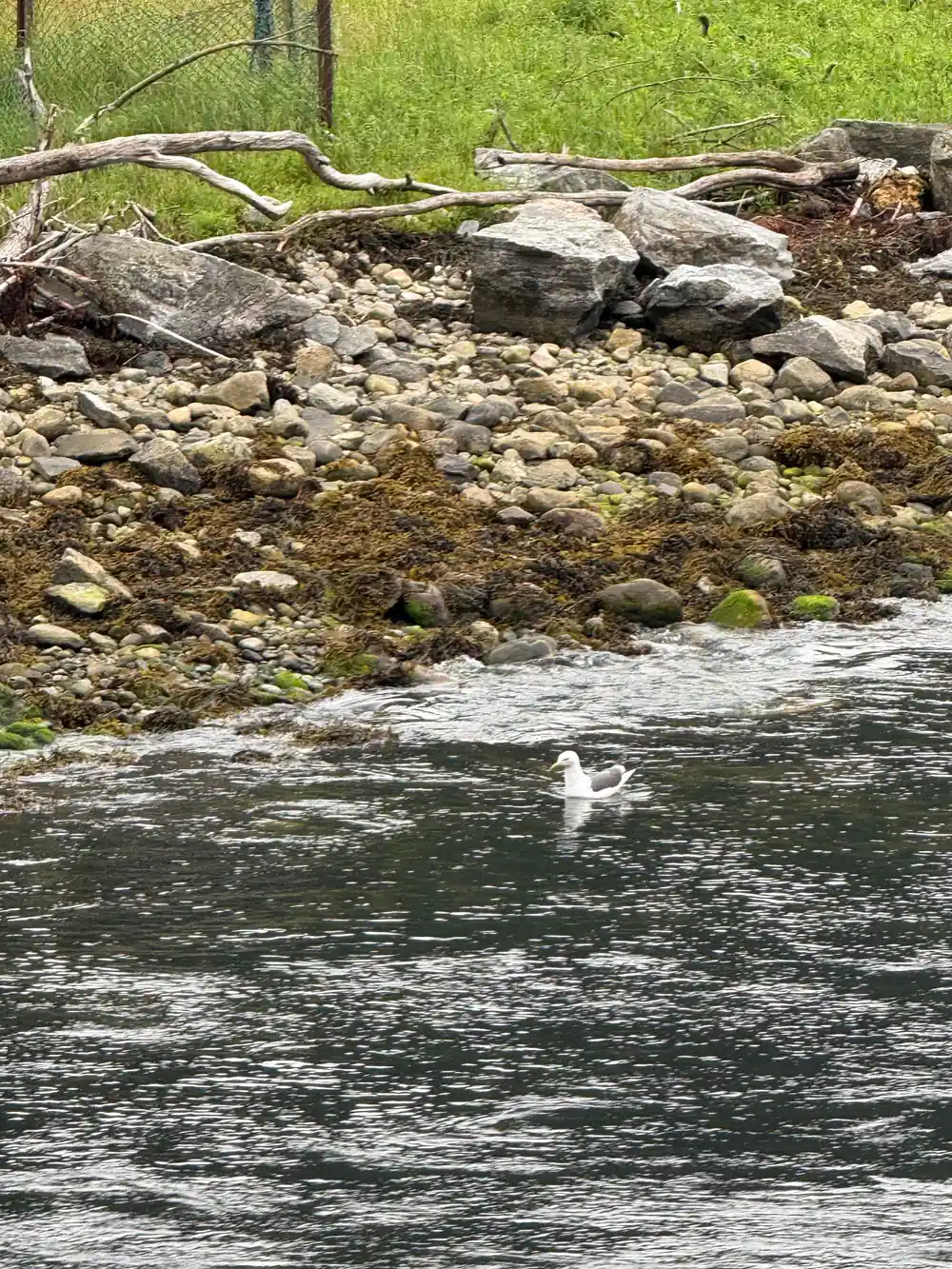
A small pair of binoculars is the most underrated thing you can put in a day bag. Norway is home to the largest breeding population of white-tailed sea eagles in Europe, with 2,500 breeding pairs.[10] A boat on the water gives you a viewpoint no road can match, and the cliffs are worth scanning slowly rather than in a rush.
There is more out there than birds. Harbour porpoise abundance in Norwegian waters is estimated at about 82,600 for the southern component and about 11,000 for the northern component.[11] A porpoise shows as a small, brief, rolling back rather than a leaping dolphin, and binoculars help you catch the moment. Keep the lenses dry, wipe them with a cloth rather than a sleeve, and keep the strap around your neck.
If you are travelling with hand luggage only, a compact pair of binoculars fits in a coat pocket. Check them before you leave home, since a missing lens cap is a small annoyance in the middle of a fjord. A neck strap matters more than magnification once the boat is moving.
What not to bother with
Leave the umbrella at the hotel. Wind on an open deck makes it useless and it takes up a hand you need for the rail. Formal clothing, delicate fabrics and anything you would worry about ruining are equally pointless here. Heavy hiking boots, a large suitcase and a full camera bag belong to a different kind of day out. On this cruise, light and dry beats well equipped.
If you want a view from above the city, the Fløibanen funicular reaches a summit 320 m above sea level and the ride takes just six minutes.[12] Either way, keep the packing simple: one warm layer, one waterproof layer, one pair of shoes with grip and a small bag for the things you would rather keep dry. Bergen had 631,000 cruise passengers in 2024.[13] Leaving a little extra time on the waterfront is never wasted.
And if you forget something, Bergen is a well supplied city. Outdoor shops, supermarkets and pharmacies sit within a short walk of the harbour. A missing hat is a problem you can solve on the morning of your trip.
Days with precipitation in Bergen through the year
Monthly precipitation days for Bergen taken from the monthly table in the climate data; the year totals 198 days.[1]
From-prices for Mostraumen cruises in US dollars
Amounts are GetYourGuide from-prices in US dollars for the cited listings; no separate child rate is listed, so the child column repeats the adult from-price.[4][5][6][14]
Choosing your day on the fjord
Building your layers
Start with the base
A thin wool or synthetic top moves moisture away from your skin and stays comfortable when you move between a warm saloon and the open deck.
Add warmth
A fleece or light down jacket is the layer you will add and remove most often, so pick one that squashes into your day bag.
Top it with a shell
A waterproof jacket with a hood and taped seams is the one piece of kit worth trying on at home before you travel.
Sort your feet
Flat shoes with a grippy sole are better than heels or smooth leather on a wet deck. Waterproof shoes are a bonus.
Cover hands and head
A hat and thin gloves weigh almost nothing and let you stay at the rail instead of watching from inside.
Pack a small day bag
A dry bag or a lined rucksack holds a camera, spare battery, lens cloth, water and a snack without fuss.
See sailing times for the Mostraumen fjord cruise
from US$94Reserve now & pay later