The main points
- Norway is home to the largest breeding population of white-tailed sea eagles in Europe, with 2,500 breeding pairs.[1]
- Scan the cliff tops, the tree line and the open water rather than fixing on one spot. Eagles move, and so does everything they hunt.
- Mostraumen is a shallow tidal channel roughly 600 m long and about 50-60 m wide at its narrowest, with strong tidal currents running through it.[2]
- Harbour porpoise abundance in Norwegian waters is estimated at about 82,600 for the southern component and about 11,000 for the northern component.[3]
- The Original Fjord Cruise to Mostraumen from Bergen runs 3.5 hours from Bryggen and costs from US$93.[4]
- Top choice Original Mostraumen cruise from US$93 Duration3.5 hours[4]Rated4.69 from 9,652 reviews[4]GuidingAudio guide: English, Norwegian[4]CancellationFree cancellation up to 24 hours[4] Check availability
- Mostraumen, local operator from US$88 Duration3.5 hours[5]Rated4.57 from 4,302 reviews[5]GuidingDriver: English[5]CancellationFree cancellation up to 24 hours[5] See this tour
- Cruise with a live guide from US$80 Duration3.5 hours[6]Rated4.74 from 2,368 reviews[6]GuidingLive tour guide: English[6]CancellationFree cancellation up to 24 hours[6] See this tour
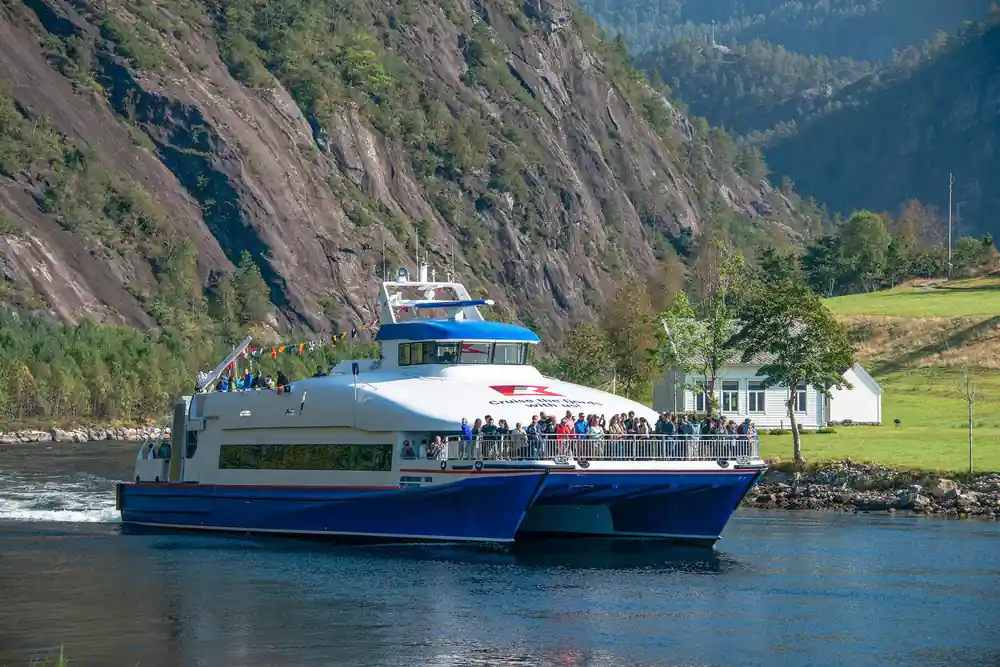
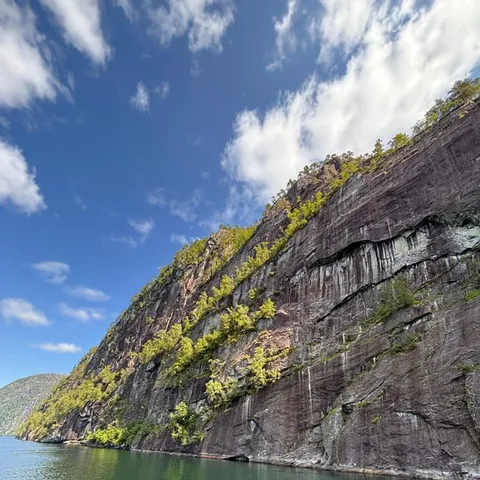
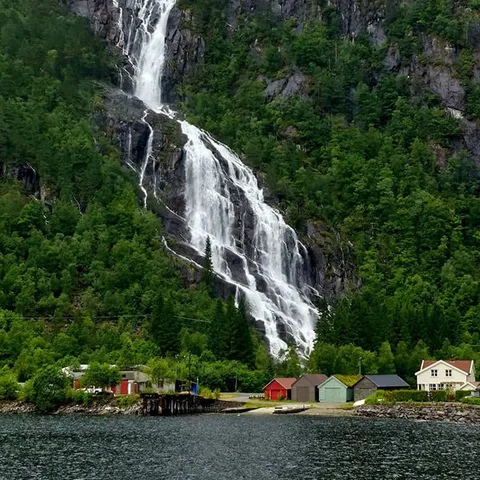
However, since they received protected status, the population has grown and Norway is now home to the largest breeding population of white-tailed sea eagles in Europe, with 2,500 breeding pairs.
Sea eagles are a bonus, never a promise
Before you board
Why the fjord here is good for eagles
Norway holds the largest breeding population of white-tailed sea eagles in Europe, with 2,500 breeding pairs nationally.[1] That figure covers the country as a whole rather than any single fjord, but the west coast is classic eagle country: steep walls, deep water close to land, and wooded shorelines that give a big bird somewhere to sit and watch. A cruise from Bergen puts you in exactly that landscape for its whole length. The birds are wild, they are not on anyone's schedule, and nobody can promise you a sighting.
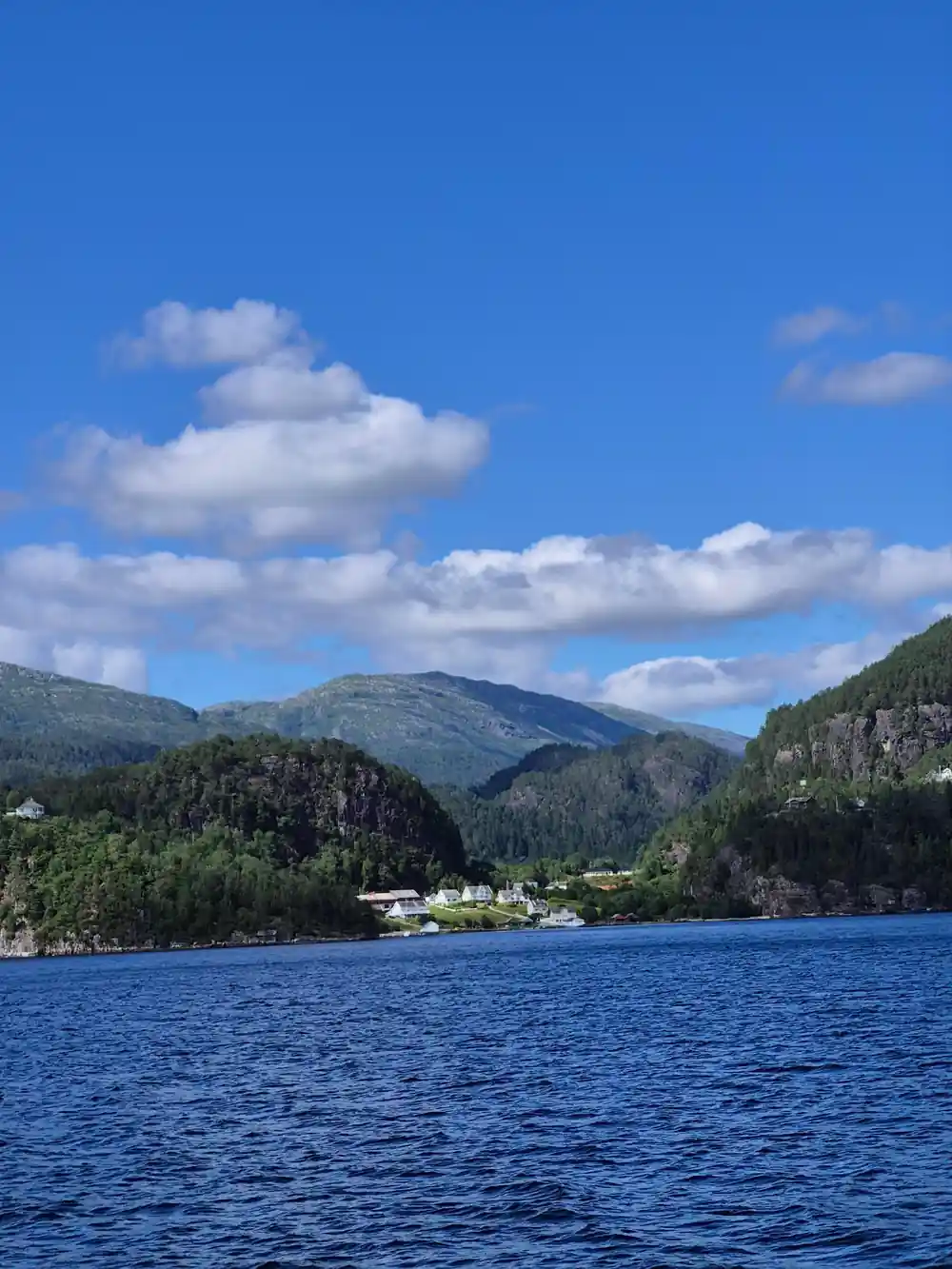
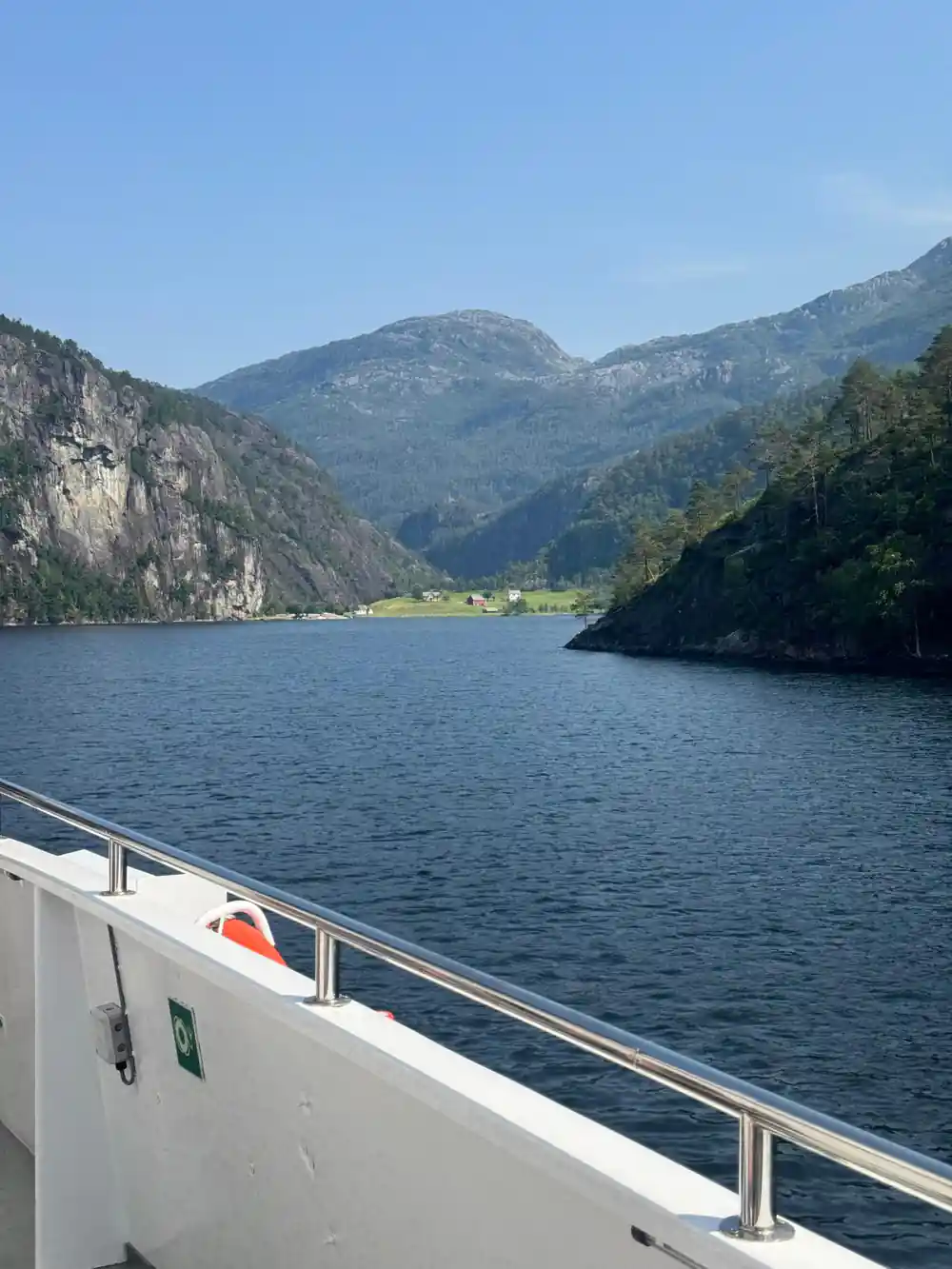
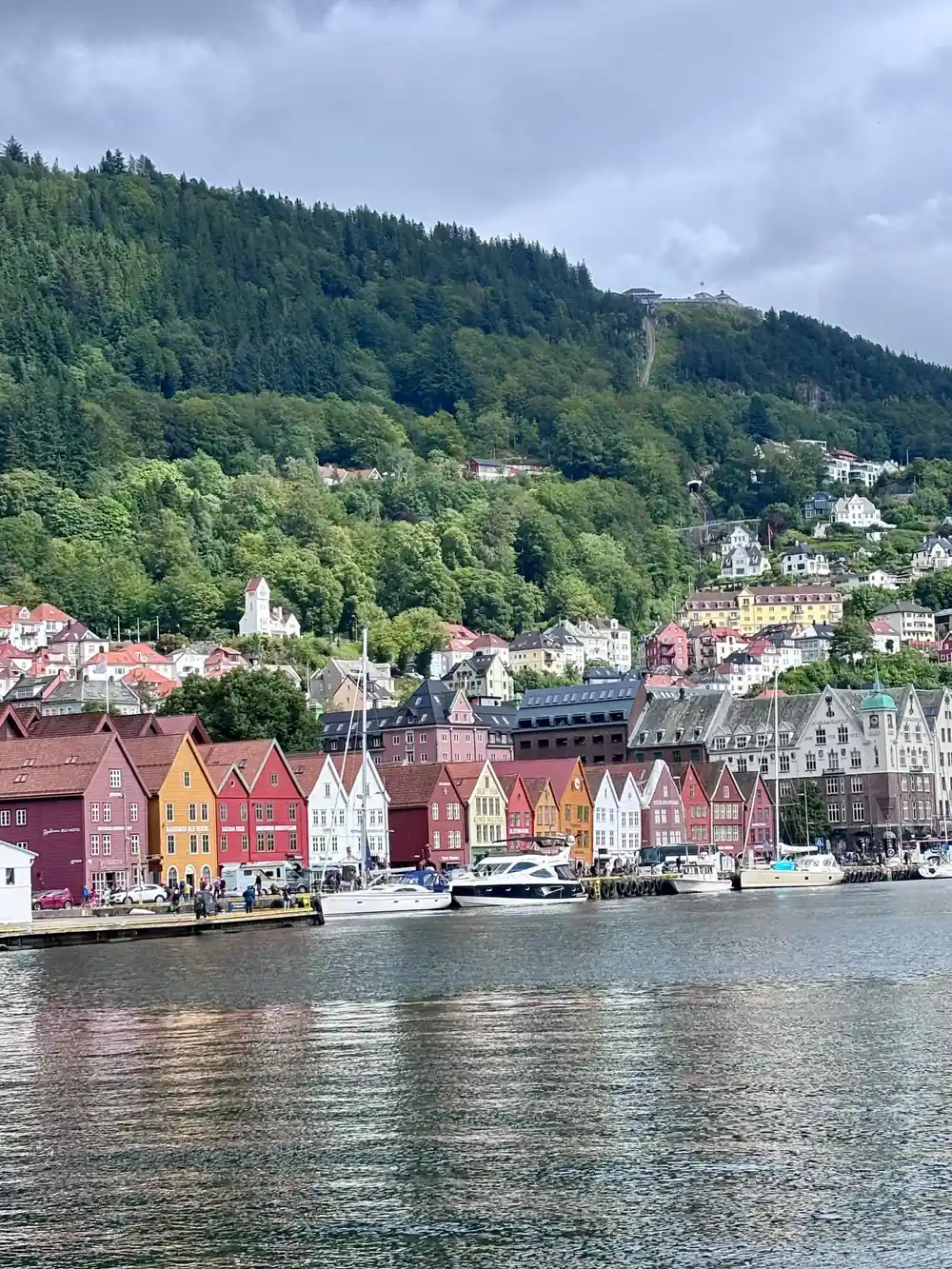
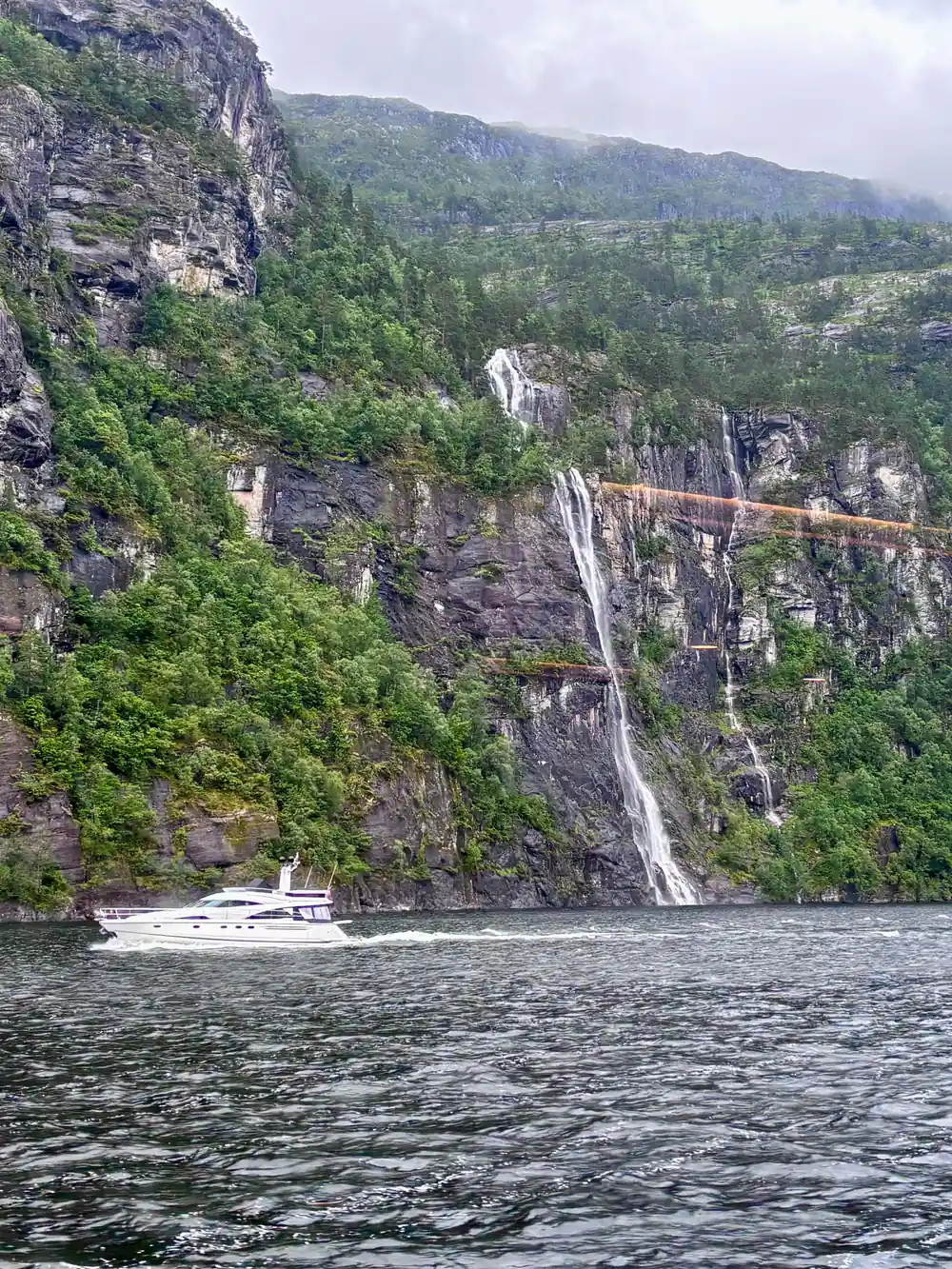
The route sets the scene by itself. You leave from Bryggen, where the timber warehouses have been on the World Heritage List since 1979[8], and then the city falls away and the Osterfjord opens out. It is wide and calm at first, with hillsides dropping straight into grey-green water, and it narrows steadily until the boat turns into Mostraumen. That last stretch is where everyone ends up on deck.
Bergen sits among islands and deep channels, so a boat can leave the city centre and be among steep, wooded slopes within minutes. The water is cold and well mixed, and that feeds everything above it. For a bird that takes fish from the surface and scavenges along the tideline, this is a good place to make a living.
What you are actually looking for
Once you have seen a white-tailed eagle you will not confuse it with a gull. It is a heavy, broad-winged bird that flies with slow, deliberate wingbeats, often straight and level rather than flapping and climbing. Adults carry a pale head and a white tail that stand out at surprising distance. Younger birds are browner and blotchier, easy to dismiss as something ordinary until the size and the shape register. Look for a plank-like silhouette and a bird that seems to be in no particular hurry.
The practical habit is to scan at two levels at once. High up, check the sky above the ridges and any bird circling on a thermal. Low down, check the waterline, the tops of the conifers and the ledges on the cliff faces. Most sightings begin as a shape and a movement rather than a clear view, so resist the urge to stare at one cliff and wait.
Light matters as much as shape. Against a bright sky a bird reads as a dark cross, and against dark rock the same bird can vanish. Change your viewing angle often and let the boat's movement help: a bird hidden a moment ago can stand out against a different background. Keep your binoculars around your neck, because the useful seconds are always short.
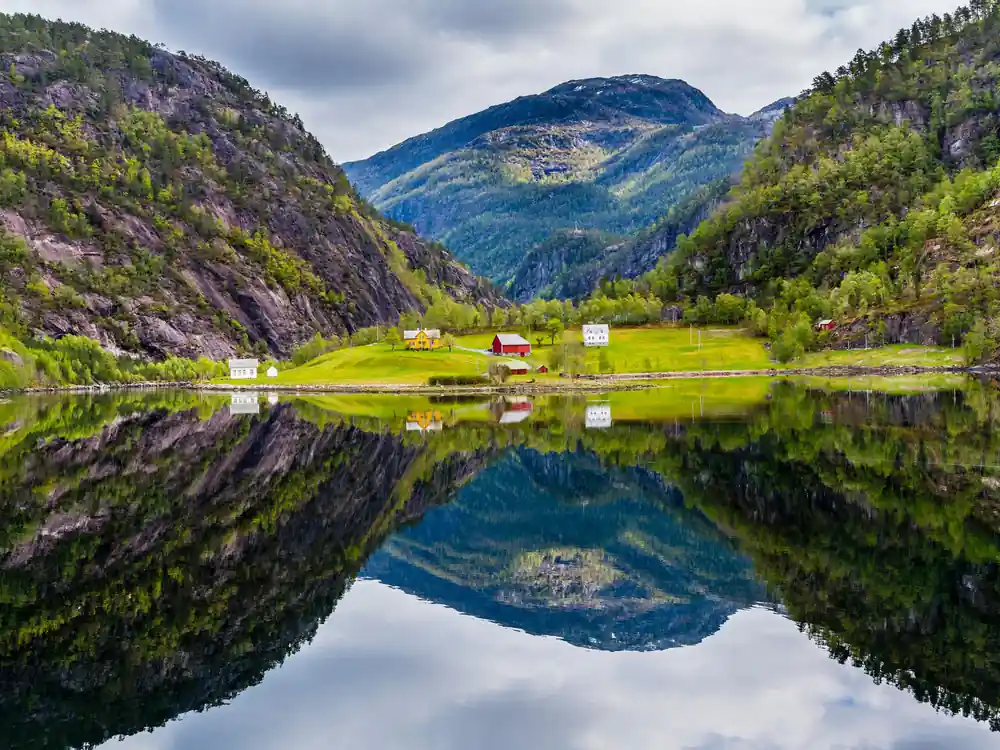
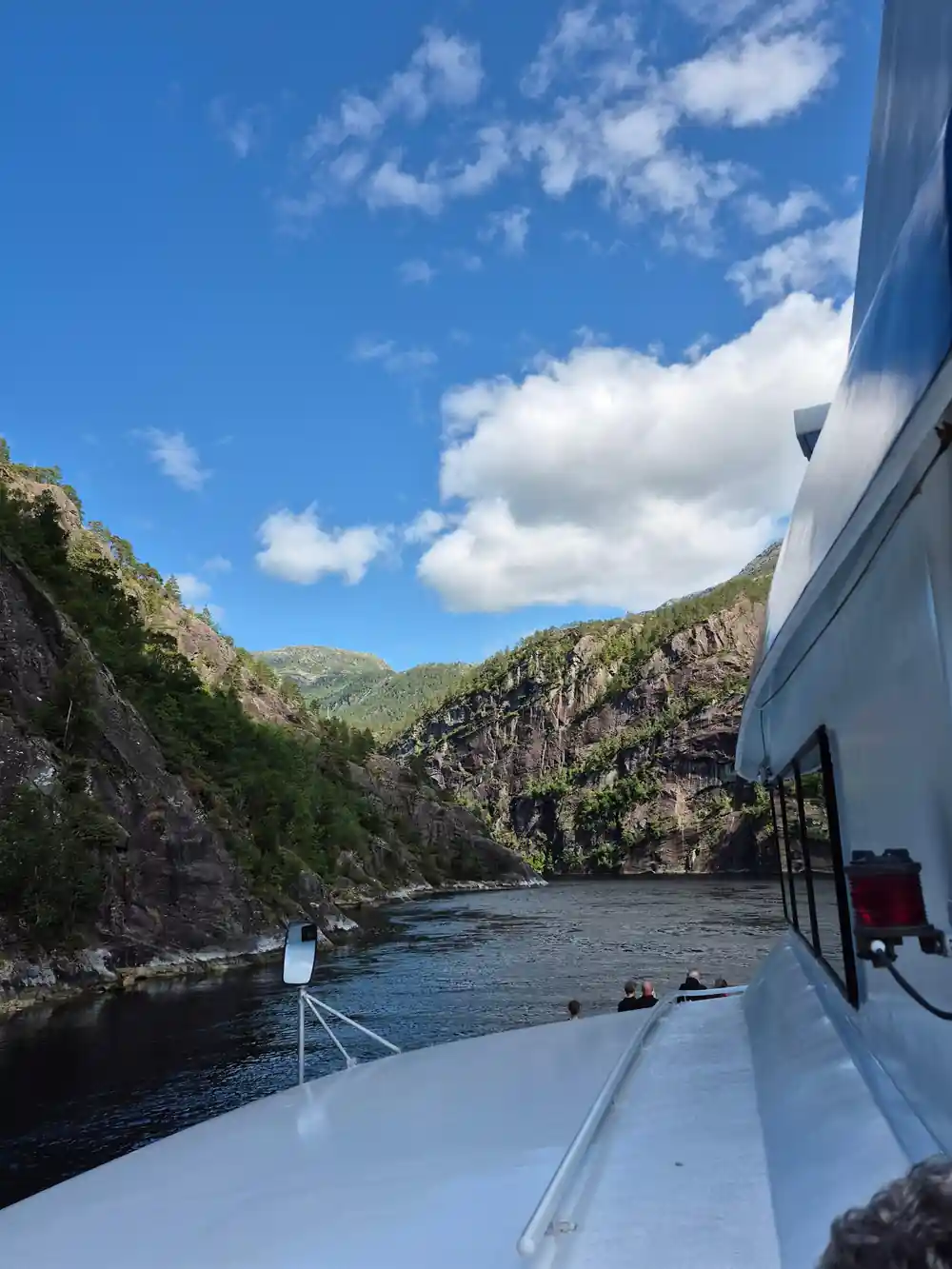
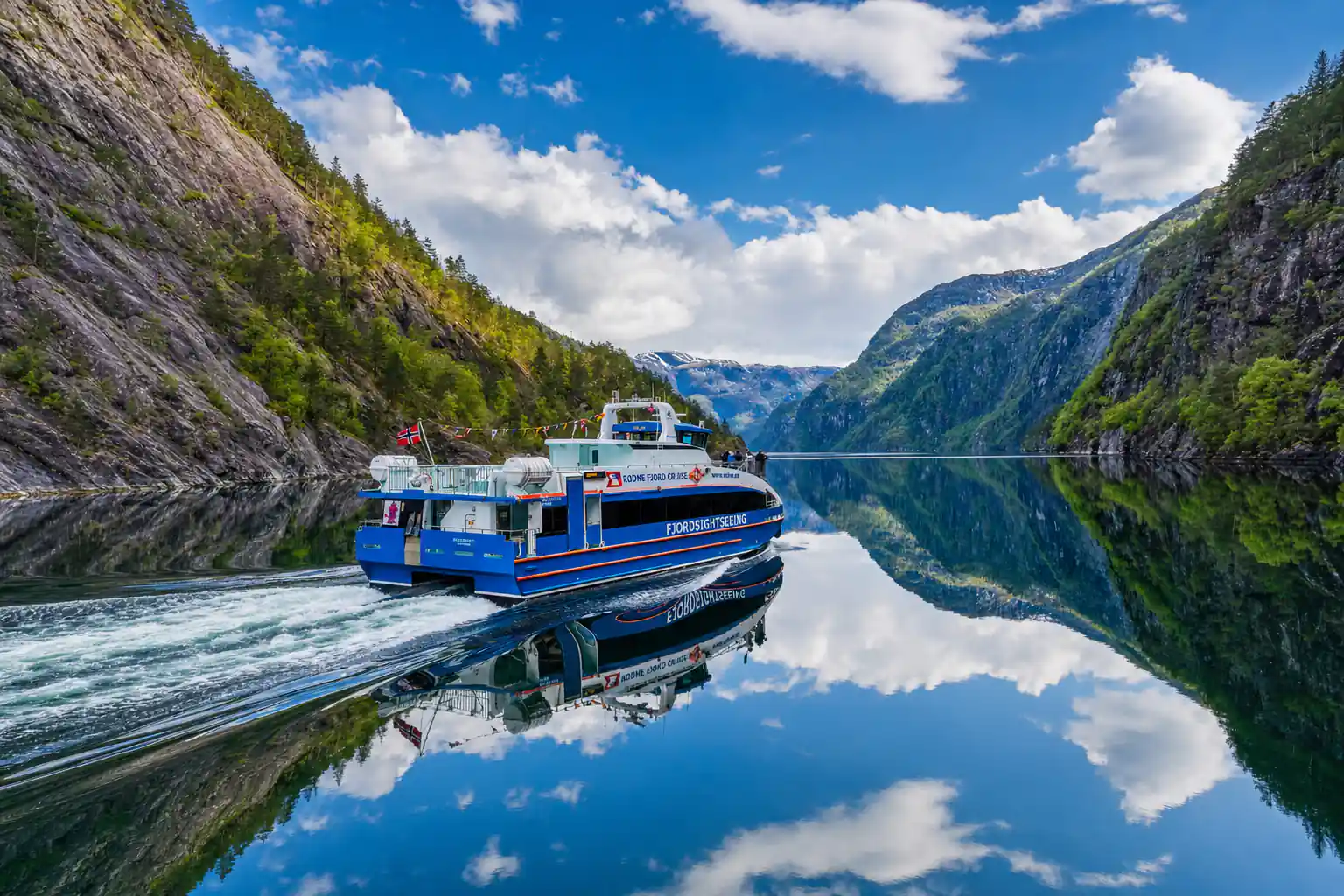
The water narrows as the boat turns into Mostraumen, and everyone moves to the rail.
Where along the route to watch
Mostraumen is the set piece of the trip. It is a narrow, shallow tidal channel roughly 600 m long and about 50-60 m wide at its narrowest, with strong tidal currents running through it.[2] When the walls close in, the light drops and the water turns busy and swirling. Watch the rock faces on both sides and the air above them. Birds working those walls often appear level with the deck, which is the closest view you are likely to get all day.
Elsewhere, look for transition zones rather than famous spots: the moment the open fjord narrows, the first bare rocks, the first stands of tall trees, and the mouths of small side valleys where water runs off the hills. In Norway a 5-knot speed limit is commonly set within 150 m of shore, including narrow straits and harbour approaches[9], and much of this route runs close to land. The shoreline is never far away, and neither are the birds that use it.
Position matters too. On the open stretches the view is wide, so the stern rail is a fine place to stand. When the channel narrows, the best views are from the bow, and the deck fills quickly. Claim a spot early, keep your bag under your feet, and be ready to move rather than hoping to see over a row of shoulders.
Seals and the shoreline
Seals are the quiet regulars of these fjords. They haul out on low rocks and skerries to rest and warm up, and from the deck they look like dark, slightly banana-shaped lumps on a stone, right up until one lifts its head or slides into the water. Scan the low, flat rocks first, then the water just off them, where a head may surface and vanish again. Harbour seals and grey seals are both part of the picture along the Norwegian coast.
The tide shapes where birds feed along the shore. In Bergen the mean tidal range is about 91 cm, and the spring tidal range is about 123 cm.[10] Those are modest numbers, but they still move the water line up and down the rocks through the day, exposing different feeding ground in the morning and the afternoon. On a short cruise you will not watch a whole tide, but you will see where it has been.
Give the animals room. Seals resting on a skerry will slide into the water if a boat pushes too close, and a bird that leaves its perch because of the boat is a sighting lost for everyone on board. Use binoculars rather than asking the skipper to close in, and keep your voice down when something interesting appears.
from US$93
The Original Fjord Cruise to Mostraumen runs 3.5 hours and holds a 4.69 rating from 9,652 reviews.[4]
Birds you will see without trying
You do not need luck for the common birds. Herring gulls and great black-backed gulls follow the boat and work the shoreline, cormorants stand on rocks with their wings spread to dry, and oystercatchers patrol the tideline in black and white with orange bills. Herons stalk the shallows in quiet corners, and terns hover and dive over open water in the warmer months. Learn those shapes and the sea eagle will stand out instantly as something much bigger and much slower.
Use the common birds as spotters. A sudden lift of gulls from a rock, or a tight knot of birds diving into one patch of water, is worth a look through binoculars. In midsummer the longest day of the year in Bergen is 23.1 hours long, on June 21st.[11] Keep the glass on the flock rather than on the horizon, and you will catch more than you expect.
It also helps to learn the common calls, because on a grey day you will often hear birds long before you see them. The harsh chatter of gulls, the croak of a heron and the thin calls of terns carry a long way over water. Sea eagles are mostly silent, so a sudden change in the noise around you is often the first sign that something has moved.
What is under the boat
Harbour porpoises live in Norwegian waters, where abundance is estimated at about 82,600 for the southern component and about 11,000 for the northern component.[3] They are small, compact and quick, and they give themselves away with a rolling surfacing, a low triangular fin and a puff of breath rather than a splashy jump. Look at the water rather than the sky if you want to catch one, and keep looking for a minute or two after the first one disappears.
Below the surface, the fjord keeps going. These are drowned valleys, carved by ice and then flooded by the sea, with deep water running close to the walls. Life gathers where currents push plankton, baitfish and scraps along the shorelines and into the narrow sounds. You will not see most of it. The birds above are working the same larder, and the action tends to concentrate in a few places rather than spreading evenly.
Do not overlook the birds sitting on the water. Auks, guillemots, ducks and grebes float low and drift with the current, and they are easy to mistake for debris until they dive or paddle. Scan the whole surface, not just the strip near the boat. On a calm day the reflections can hide the shapes you are hunting.
Improving your own odds
Dress for the deck and stay out there. Bergen's 1981-2010 daily mean air temperatures run from 1.4°C to 14.5°C, with an annual mean of 7.3°C[7], and the city receives 2,490 mm of precipitation a year, spread over 198 days[12]. A waterproof shell, a warm mid layer and something to keep both hands free matter more than any gadget. A cold, wet watcher goes inside early, and inside is where the wildlife is not.
Then be patient and systematic. Pick a stretch of shoreline, sweep it slowly from left to right, and move on. Look behind the boat as well as ahead. The cruise lasts 3.5 hours[4] and includes an audio guide in English and Norwegian[4], which is useful for putting names to the landmarks even if you would rather watch than listen. Ask the crew what they have been seeing that week, and take the answer as a hint rather than a promise.
How long the fjord trips last
Durations as listed for these GetYourGuide tours:[4][5][6][13][14]
Mostraumen cruises, from-prices
From-prices are the US dollar listing prices for these GetYourGuide tours:[4][5][6][13]
When to book your fjord cruise
How to spot an eagle
Start with the water
Eagles often sit low over the surface or on a rock at the waterline. Sweep the frame slowly instead of staring at one cliff.
Watch the gulls
When a flock lifts off together or a knot of birds dives into one patch, something larger may be underneath. Look below the commotion.
Sweep the tree line
Adult white-tailed eagles show a pale head and a white tail, which reads as a bright dot against dark conifers. Check the tops of the trees.
Check the cliff faces
Along the Osterfjord and into Mostraumen, look at the ledges and the air above them. Birds working the updraughts can appear level with the deck.
Ask the crew
Crew on this route know the regular perches and the local names. The audio guide comes in English and Norwegian.[4]
Look for sea eagles where the fjord narrows
from US$94Reserve now & pay later